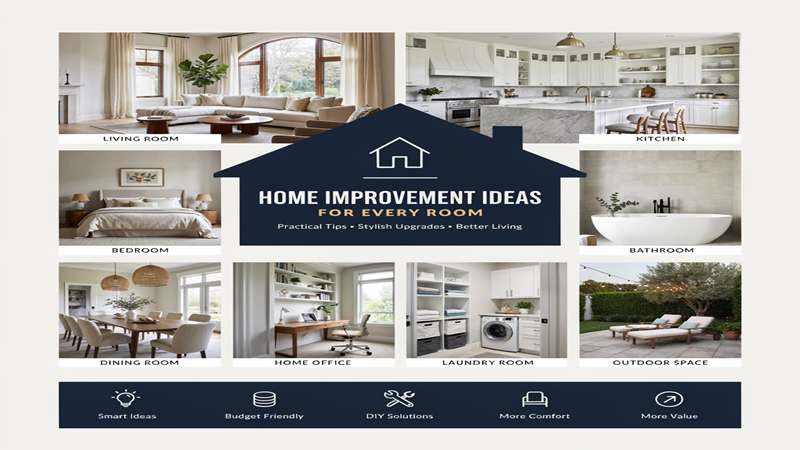
Improving your home does not always mean planning a costly renovation. Small, thoughtful changes can improve how a room looks, feels, and works. From updating the living room and kitchen to creating a calmer bedroom and a more organized bathroom, every space has opportunities for improvement.
The best Home Improvement Ideas for Every Room focus on your daily needs, available space, personal style, and budget. A successful improvement should not only make a room more attractive. It should also make everyday life easier.
In this complete guide, we explore practical home improvement ideas for each major area of your home, along with planning tips to help you get better results.
Start With a Home Improvement Plan
Before buying furniture, paint, lighting, or décor, decide what you want to improve. Walk through your home and identify the areas that feel outdated, uncomfortable, cluttered, or difficult to use.
Ask yourself:
- What does this room need to do?
- What currently works well?
- What causes the most frustration?
- How much can I realistically spend?
- Which improvements can I complete myself?
- Which projects require a professional?
Create a priority list. Start with repairs, safety issues, moisture problems, and functional improvements before spending money on decoration.
It is also helpful to improve one room at a time. This keeps projects manageable and makes it easier to control your budget.
1. Living Room Improvement Ideas
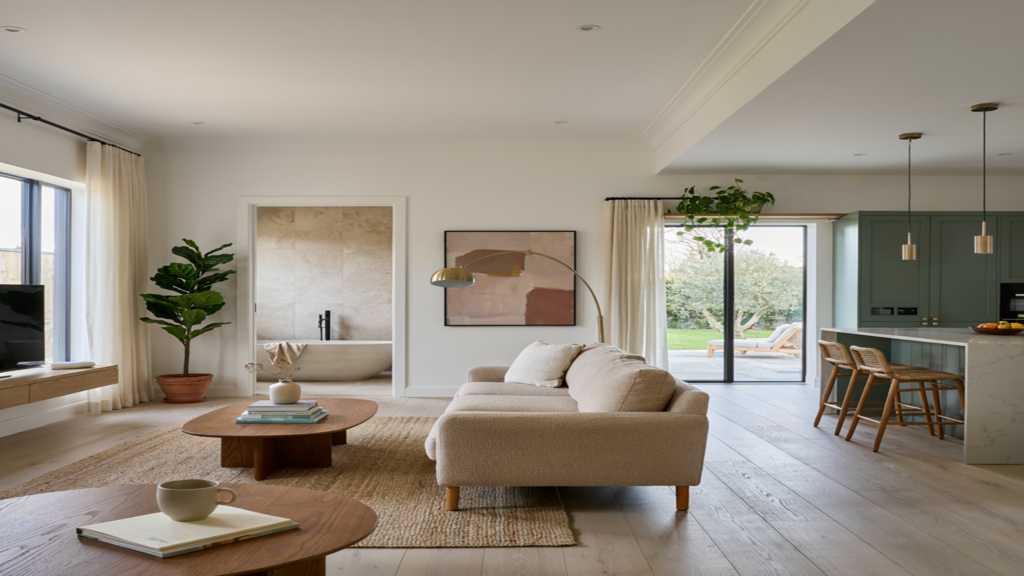
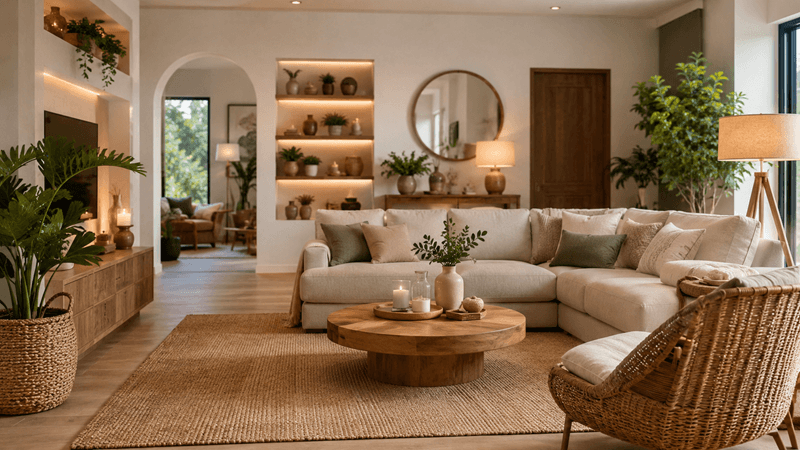
The living room is often one of the busiest areas of a home. It may be used for relaxing, watching television, entertaining guests, reading, or spending time with family. Therefore, comfort and good furniture placement should come before decoration.
Rearrange the Furniture
Start by looking at the traffic flow. Avoid placing large furniture where it blocks doors, windows, or natural walking paths.
Create a clear conversation area by positioning sofas and chairs toward one another rather than automatically pushing everything against the walls. A well-planned layout can make even a small room feel more comfortable.
Improve the Lighting
Use several types of lighting instead of relying on one ceiling fixture. Combine ceiling lighting with floor lamps, table lamps, wall lights, or accent lighting.
Layered lighting gives you more control over the atmosphere and makes the room useful at different times of day.
Add a Larger Rug
A properly sized area rug can visually connect the sofa, chairs, and coffee table. A rug that is too small can make furniture appear disconnected.
Create Smart Storage
Use storage ottomans, baskets, floating shelves, cabinets, or multifunctional coffee tables to control clutter. Keeping everyday items organized can make the entire room feel cleaner.
Mirrors can also help reflect light and create a greater sense of visual space.
2. Kitchen Improvement Ideas
The kitchen needs to look good, but functionality should remain the priority. Storage, lighting, work surfaces, and easy movement can make a bigger difference than expensive decoration.
Refresh Your Cabinets
If your cabinets are structurally sound, replacing them may not be necessary. A fresh coat of suitable cabinet paint and new handles can create a completely different appearance.
Choose hardware that works with your overall style. Simple handles can suit modern kitchens, while more decorative hardware can work well with traditional designs.
Upgrade the Backsplash
A backsplash protects the wall behind cooking and preparation areas while giving the kitchen a decorative focal point. Depending on your budget, you can use ceramic tile, glass, stone, or other suitable materials.
Add Better Lighting
Under-cabinet lighting can make food preparation easier while adding warmth to the kitchen. It can also improve visibility on countertops without requiring a major renovation.
Improve Storage
Make better use of vertical and unused spaces. Pull-out organizers, drawer dividers, wall shelves, and dedicated pantry storage can reduce clutter.
Kitchen islands can also provide additional workspace and seating when the room has enough space. Smart storage and functional islands are among the improvements designers often associate with a more desirable kitchen.
3. Bedroom Improvement Ideas
Your bedroom should feel peaceful, comfortable, and personal. Instead of filling it with decoration, focus on creating a relaxing environment.
Upgrade the Bedding
New bedding can dramatically change the appearance of a bedroom. Choose comfortable sheets, a quality duvet or comforter, pillows, and a throw that complement the room’s colors.
Use layers and textures to make the bed feel inviting without creating unnecessary clutter.
Improve Closet Organization
A messy closet can make the entire bedroom feel disorganized. Add shelves, drawers, hanging organizers, shoe storage, and labeled containers where useful.
Use the available vertical space instead of allowing empty areas above hanging clothes to go unused.
Create a Relaxing Lighting Scheme
Add bedside lamps or wall-mounted reading lights so you do not have to depend on a bright ceiling fixture. If possible, use adjustable lighting for different activities.
Add a Small Reading Corner
If you have an unused corner, place a comfortable chair beside a small table and reading lamp. This creates a useful personal space without requiring a major renovation.
4. Bathroom Improvement Ideas
Bathrooms can often benefit from relatively small upgrades. You do not necessarily need to replace everything to create a cleaner and more modern space.
Replace Old Fixtures
New faucets, shower fittings, towel bars, cabinet handles, and mirrors can refresh the room quickly.
Improve Storage
Use wall-mounted shelves, mirrored cabinets, vanity storage, and baskets to keep toiletries organized. Keeping countertops clear can make a bathroom feel larger.
For small bathrooms, floating or narrow vanities can preserve visible floor space. Large mirrors can also increase reflected light and visual depth.
Refresh Grout and Caulk
Dirty or damaged grout and caulk can make an otherwise attractive bathroom look old. Clean suitable surfaces carefully and replace deteriorated caulk when necessary.
Do Not Ignore Ventilation
Bathrooms produce significant moisture. Good ventilation helps remove humid air and can reduce condensation and moisture-related problems.
If you notice persistent condensation, dampness, or mold, address the underlying moisture problem instead of simply covering it with paint or decoration.
5. Dining Room Improvement Ideas
The dining room should support comfortable meals while creating a welcoming atmosphere.
Update the Dining Table
If your table is still strong and functional, consider refinishing or repainting it instead of replacing it.
Improve Seating
Comfortable chairs can make family meals and gatherings more enjoyable. Make sure chairs have enough space around them so people can sit and move comfortably.
Add Statement Lighting
A pendant light or chandelier positioned appropriately over the table can become the room’s main visual feature.
Create a Feature Wall
You can use paint, artwork, molding, wallpaper, or a carefully arranged gallery wall to add personality without changing the entire room.
6. Home Office Improvement Ideas
A home office should help you stay organized and comfortable.
Choose the Right Desk
Select a desk that provides enough workspace without overwhelming the room. If space is limited, consider a compact desk or wall-mounted workspace.
Improve Your Chair
A supportive chair is important if you spend several hours working. Choose one that provides appropriate support and allows you to maintain a comfortable working position.
Manage Cables
Cable clutter can make an office look messy. Use clips, sleeves, trays, or cable boxes to organize wires.
Use Natural Light Carefully
Position your desk near a window when possible, but avoid placing the screen where direct sunlight creates excessive glare.
Storage is equally important. Shelves, drawers, cabinets, and organizers can keep documents and supplies accessible without covering your workspace.

7. Laundry Room Improvement Ideas
Laundry rooms are often overlooked, but a few practical changes can make laundry much easier.
Add Wall Storage
Install shelves or cabinets for detergent, cleaning supplies, baskets, and other essentials. Keep frequently used products within easy reach.
Create a Folding Area
If you have front-loading machines, a suitable countertop above them can create a convenient folding surface.
Improve Lighting
Good lighting makes sorting, folding, and treating clothes easier. A bright, practical fixture can make a small laundry room feel more functional.
Keep Supplies Organized
Use labeled containers or matching baskets to reduce visual clutter. A tidy laundry room can save time because everything has a designated place.
8. Entryway Improvement Ideas
Your entryway is the transition between the outside world and your home. It should be attractive but also practical.
Add a Storage Bench
A bench with hidden storage provides a place to sit while putting on shoes and keeps footwear organized.
Install Hooks
Wall hooks can hold coats, bags, umbrellas, and everyday accessories. This prevents these items from spreading throughout the house.
Add a Mirror
A mirror can make a narrow entryway feel brighter while giving you a convenient place to check your appearance before leaving.
Improve the Front Door
A fresh door color, updated hardware, better lighting, and a clean entrance can create a strong first impression.
9. Hallways and Staircases
Hallways often receive little attention because they are mainly used for passing through. However, these areas can influence how connected your home feels.
Use wall art, photographs, mirrors, or a narrow console where space allows. Keep walkways clear and avoid oversized furniture.
If a hallway feels dark, improve its lighting rather than relying only on decoration. Light-colored walls can also help reflect available light.
For staircases, prioritize safety. Keep steps clear, make sure handrails are secure, and address damaged flooring or loose components promptly.
10. Outdoor and Garden Improvements
Your home improvement project should not stop at the front door. Outdoor areas can become comfortable extensions of your living space.
Improve the Patio
Add weather-appropriate seating, an outdoor rug, cushions, planters, and suitable lighting. Arrange furniture around a clear purpose, such as dining, relaxing, or entertaining.
Upgrade Landscaping
Trim overgrown plants, define garden beds, add suitable plants, and keep pathways maintained.
Add Outdoor Lighting
Pathway lights, wall fixtures, and other suitable outdoor lighting can improve the appearance and usability of exterior areas.
Create a Small Relaxation Area
Even a small balcony, courtyard, or garden corner can become useful with a compact seating arrangement and a few plants.
Make Your Home More Comfortable and Efficient
Home improvement should also address comfort and indoor environmental quality. Remodeling can affect ventilation, moisture, and indoor air quality, so these factors should be considered before major projects.
Look for opportunities to:
- Seal obvious drafts where appropriate.
- Maintain suitable ventilation.
- Control moisture in bathrooms and kitchens.
- Repair leaks quickly.
- Improve insulation where practical.
- Use energy-efficient lighting.
- Choose durable materials for high-use areas.
Do not seal a home tightly without considering how indoor moisture and fresh-air needs will be managed. Proper ventilation plays an important role in controlling indoor moisture.
Budget-Friendly Home Improvement Ideas
You can make noticeable improvements without completing a full renovation.
Start with inexpensive changes such as:
- Repainting walls.
- Updating cabinet hardware.
- Rearranging furniture.
- Adding better lighting.
- Installing shelves.
- Decluttering storage areas.
- Replacing outdated curtains.
- Adding mirrors.
- Refreshing worn décor.
- Repairing small maintenance problems.
The most effective approach is to spend money where it creates the greatest improvement. A well-planned furniture arrangement may have more impact than an expensive decorative item.
Common Home Improvement Mistakes to Avoid
Before starting a project, consider the mistakes that can waste money and time.
Choosing Style Before Function
A beautiful room that is difficult to use will quickly become frustrating. Plan the layout first.
Buying Furniture That Is Too Large
Measure doors, hallways, walls, and available floor space before purchasing furniture.
Ignoring Lighting
A room can have beautiful furniture and still feel uncomfortable if it has poor lighting.
Creating Too Much Clutter
More decoration does not always mean a better room. Leave enough empty space for the room to breathe.
Starting Too Many Projects
Trying to renovate the entire home at once can become expensive and overwhelming. Complete projects in stages.
Ignoring Repairs
Do not hide leaks, damaged flooring, poor ventilation, or structural problems behind cosmetic improvements. Address important problems first.
How to Prioritize Your Home Improvement Projects
If your budget is limited, use a simple priority system.
First: Safety and repairs. Fix leaks, damaged electrical components, unsafe stairs, structural problems, and other important issues with qualified professional help where needed.
Second: Function. Improve storage, lighting, layout, ventilation, and workspace.
Third: Comfort. Upgrade furniture, bedding, temperature control, and other everyday features.
Fourth: Appearance. Add paint, artwork, décor, accessories, and style-focused improvements.
This approach helps ensure that your home becomes better to live in, not simply better to look at.
Final Thoughts
The best Home Improvement Ideas for Every Room do not require you to completely redesign your house. Small changes can create meaningful improvements when they solve real problems and match the way you live.
Focus on one room at a time. Improve the layout, storage, lighting, comfort, and functionality before adding decorative details. Choose projects that fit your budget and prioritize repairs and safety before cosmetic upgrades.
Whether you are refreshing a single bedroom, updating your kitchen, improving your bathroom, or creating a better outdoor space, thoughtful planning can transform your home into a place that feels more comfortable, organized, and personal.
A successful home is not defined by how expensive it looks. It is defined by how well it works for the people who live there.