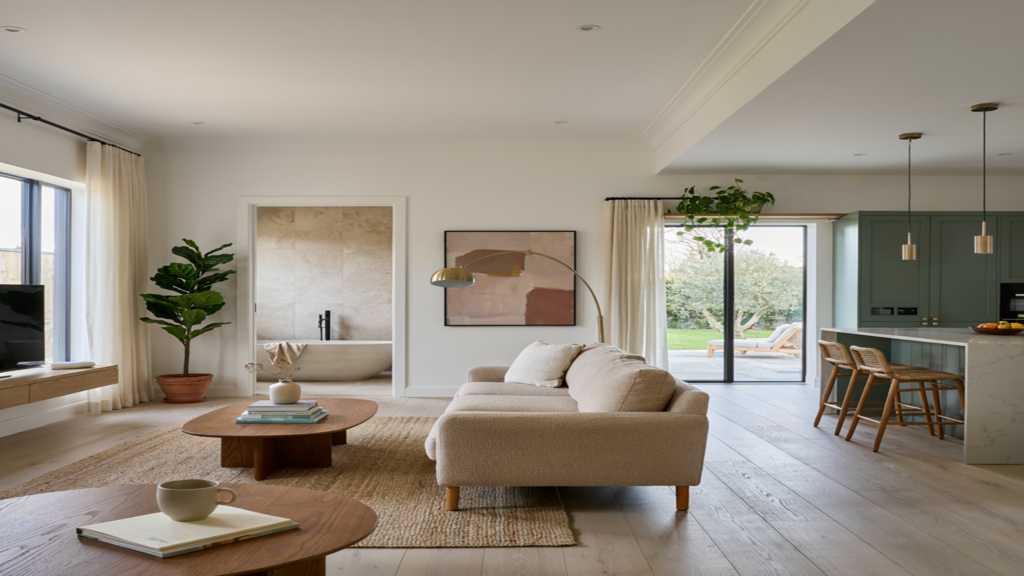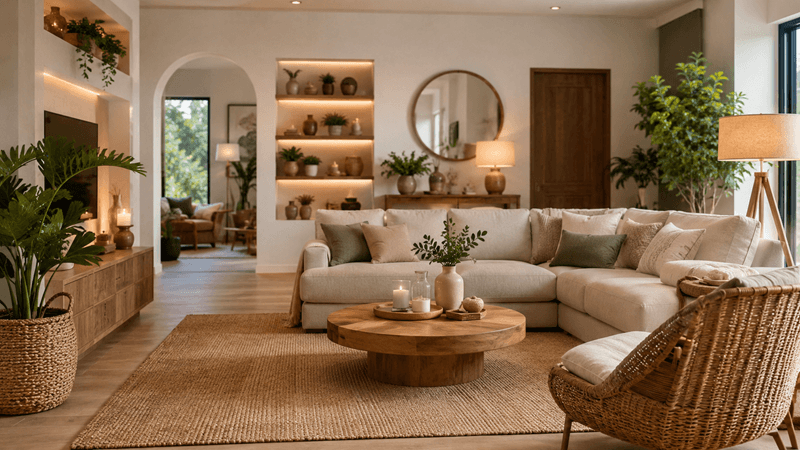
A small living room can feel challenging to decorate, but limited space does not mean you have to sacrifice comfort, beauty, or personality. With the right furniture, colors, lighting, layout, and storage solutions, even a compact room can become welcoming and functional.
1. Start With the Right Layout
The first step is understanding how your living room will be used. Measure the room carefully, including doors, windows, walkways, and wall space. This helps you choose furniture that fits comfortably instead of making the room feel crowded.
For a successful Small Living Room Design, focus on creating clear walking paths. Avoid pushing too many pieces into one area. A sofa, compact coffee table, and one or two additional seats may be enough for a comfortable arrangement.
Try different furniture positions before making a final decision. Sometimes moving the sofa away from a wall or placing furniture at a slight angle can make the room feel more open and interesting.
2. Choose Furniture Based on Scale
One of the biggest mistakes in a small living room is selecting oversized furniture. A large sofa may look attractive in a showroom, but it can dominate a compact room and leave little space for movement.
Choose furniture with proportions that match the room. Apartment-sized sofas, compact armchairs, nesting tables, and slim-profile furniture can provide comfort without overwhelming the space.
Furniture with exposed legs can also create a lighter appearance because more of the floor remains visible. This simple detail can make the entire room feel less crowded.
3. Use Multifunctional Furniture
When space is limited, every piece of furniture should ideally serve a useful purpose. Multifunctional furniture is one of the easiest ways to maximize a small living room.
Consider an ottoman that works as seating, a footrest, and a coffee table. A storage bench can provide extra seating while hiding blankets, books, or other items. A sofa bed can transform the living room into a guest area when needed.
Nesting tables are another practical option. They can be separated when you need more surface space and stacked together when you want to create a cleaner appearance.
4. Select a Light and Balanced Color Palette
Color has a powerful effect on how large a room feels. Light shades such as white, cream, beige, soft gray, and pale neutral tones can reflect light and create an airy atmosphere.
This does not mean that a small living room must be completely white. You can introduce personality through cushions, artwork, rugs, curtains, plants, and decorative accessories.
For a more sophisticated appearance, choose one main neutral color and combine it with two or three complementary shades. Keeping the palette consistent prevents the room from looking visually busy.
5. Make Natural Light Your Friend
Natural light can make a compact living room appear brighter and more spacious. Keep windows as clear as possible and avoid placing large furniture directly in front of them.
Choose lightweight curtains that allow daylight to enter. Floor-length curtains can also make the ceiling appear taller when they are mounted closer to the ceiling rather than directly above the window.
If privacy is important, consider sheer curtains combined with another layer. During the day, the sheer fabric can provide privacy while still allowing natural light into the room.
6. Use Mirrors to Create Visual Depth
Mirrors are a classic decorating technique for making small spaces feel larger. They reflect light and create the illusion of additional depth.
A large mirror placed opposite a window can reflect natural light throughout the room. You can also use a decorative mirror above a console table or sofa to create a stylish focal point.
The key is to use mirrors intentionally. Too many reflective surfaces can make a room feel distracting rather than elegant.
7. Choose the Right Coffee Table
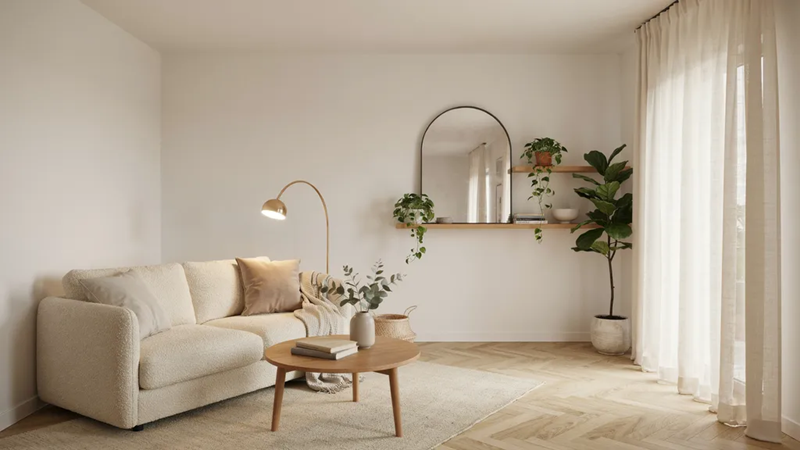
A coffee table should provide function without blocking movement. In a compact living room, a large rectangular table may take up valuable floor space.
Consider a round, oval, glass, or slim-profile coffee table. Round tables are especially useful because they have no sharp corners and can make movement around the furniture easier.
Another option is a nesting table set. You can separate the tables when guests arrive and keep them together when you need more open floor space.
8. Think Vertically
When floor space is limited, look upward. Vertical storage and decoration can help you use the walls without taking away valuable walking space.
Tall bookshelves, floating shelves, wall-mounted cabinets, and vertical artwork can draw the eyes upward. This can also make the ceiling appear higher.
Avoid filling every wall with decorations. A few carefully selected pieces often look more sophisticated than a large collection of unrelated objects.
9. Keep Storage Organized
Clutter can make a small room feel much smaller than it actually is. Smart storage is therefore an essential part of good living room design.
Use baskets for blankets and everyday items. Choose furniture with hidden compartments whenever possible. Floating shelves can hold books and decorative objects while keeping the floor clear.
Regularly remove items that you no longer use. A simple room with organized storage will generally feel larger, calmer, and easier to maintain.
10. Add a Rug Without Overcrowding
A rug can define the living area and make the room feel more comfortable. However, choosing the wrong size can make the space look disconnected.
A rug that is too small may visually divide the furniture and make the room appear smaller. Ideally, at least the front legs of the sofa and chairs should sit on the rug.
Neutral patterns and subtle designs can work particularly well in compact rooms. If the furniture is simple, a tasteful patterned rug can introduce personality without overwhelming the space.
11. Use Lighting in Layers
Good lighting can completely transform a small living room. Instead of relying on a single ceiling light, combine several sources.
A floor lamp can provide height, while a table lamp can create warmth. Wall lights can provide illumination without using floor space. Small accent lights can highlight artwork, shelves, or architectural features.
Warm, comfortable lighting is usually more inviting for living areas. During the day, maximize natural light, while in the evening, use several smaller light sources to create a relaxing atmosphere.
12. Add Personality With Accessories
A small room should still reflect your personality. The goal is not to remove all decoration but to choose accessories carefully.
Use cushions, throws, artwork, plants, candles, books, and decorative objects to introduce character. Select a few meaningful pieces rather than filling every available surface.
Plants can be especially effective because they add natural color and texture. Small potted plants can sit on shelves or side tables, while taller plants can occupy an unused corner.
13. Create a Strong Focal Point
Every living room benefits from a visual focal point. This could be a television wall, fireplace, artwork, statement mirror, or beautifully styled shelving unit.
A focal point gives the room a sense of direction and prevents the design from feeling random. Once you choose the main feature, arrange other elements around it.
For example, a large piece of artwork above the sofa can become the central attraction. Keep surrounding decorations relatively simple so the focal point remains noticeable.
14. Avoid Common Small-Room Mistakes
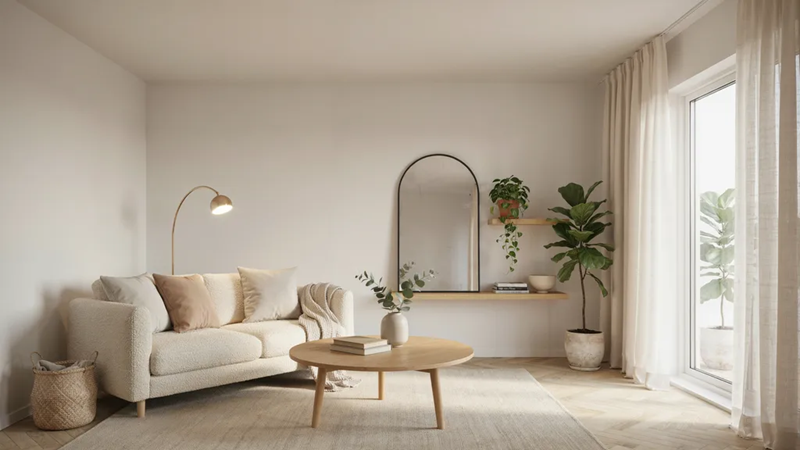
There are several mistakes that can make a compact living room feel even smaller. Too much furniture is one of the most common problems.
Another mistake is using too many colors, patterns, and decorative objects. Visual clutter can make the room feel chaotic.
Blocking windows, choosing furniture that is too large, and ignoring storage can also create problems. Before buying anything, ask whether the item is comfortable, useful, and properly scaled for your space.
15. Make the Ceiling Feel Taller
A room can appear larger when you create the illusion of height. Use curtains that extend from near the ceiling to the floor. Tall shelves and vertical artwork can also direct attention upward.
Keeping the ceiling lighter than the walls may create an additional sense of openness. Avoid heavy decorations hanging too low because they can visually reduce the height of the room.
16. Create Zones in an Open Space
If your living room is connected to a dining area, hallway, or home office, use furniture and rugs to create separate zones.
A rug can define the seating area, while a narrow console can visually separate the living room from another space. Lighting can also help distinguish different functions.
The goal is to create organization without physically closing the room. This approach allows a small area to serve multiple purposes while maintaining a clean appearance.
17. Add Texture for a Cozy Atmosphere
Neutral colors can sometimes feel plain, especially when there are not many decorative elements. Texture adds depth without requiring many additional colors.
Combine materials such as cotton, linen, wood, wool, glass, metal, and natural fibers. A textured throw, woven basket, soft rug, and wooden table can create warmth and visual interest.
Texture is particularly useful when you want a calm and sophisticated room without using bold patterns.
18. Personalize the Final Look
The best living room is not simply the one that looks attractive in photographs. It should also work for the people who use it every day.
Think about your routine. If you enjoy reading, create a comfortable reading corner. The entertain guests frequently, prioritize flexible seating. If you work from home, consider a compact desk that can blend with the rest of the room.
Personal needs should guide the design choices rather than following every decorating trend.
Final Thoughts
Creating a beautiful small living room is primarily about making smart decisions. The right layout, appropriately sized furniture, light colors, effective lighting, organized storage, and carefully selected accessories can dramatically improve the appearance and functionality of a compact space.
The most successful Small Living Room Design does not try to hide the size of the room. Instead, it uses the available space intelligently and creates a comfortable environment that feels open, organized, and personal.
Whether you prefer modern minimalism, warm contemporary style, classic decoration, or a cozy natural look, you can create an impressive living room without needing a large floor plan. Start with the layout, remove unnecessary clutter, choose versatile furniture, and gradually add details that make the space feel like home.