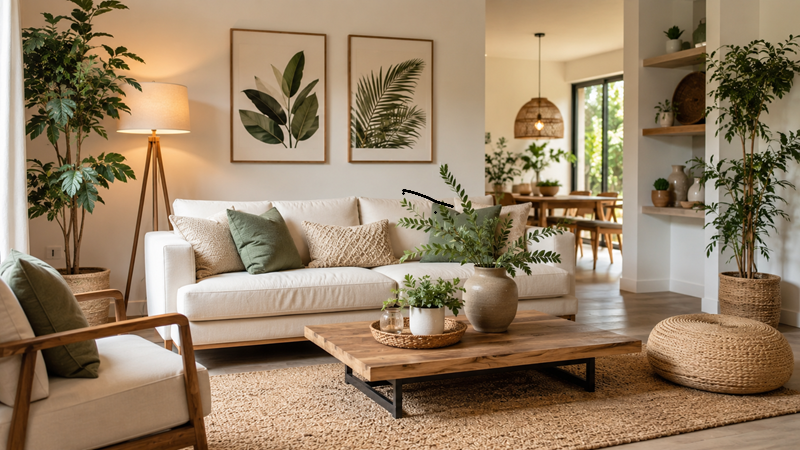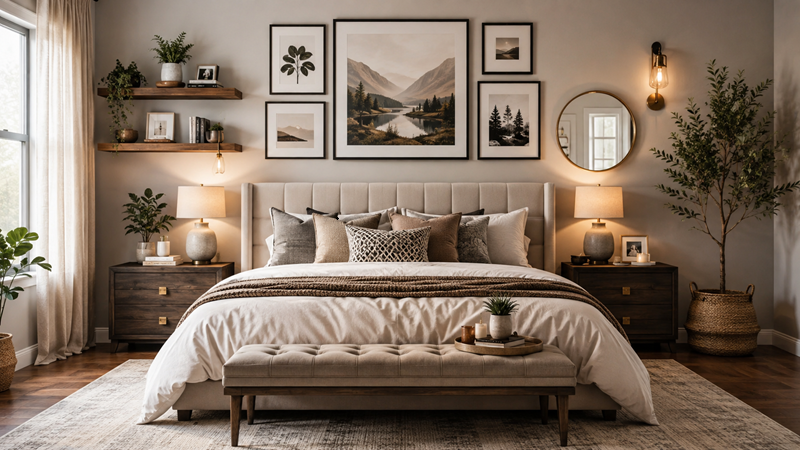
Your home should be more than a place where you eat, sleep, and store your belongings. It should feel comfortable, welcoming, functional, and connected to your personality. The good news is that creating a beautiful home does not always require an expensive renovation or a complete furniture makeover.
Small changes can have a surprisingly big impact. A fresh wall color, better lighting, carefully arranged furniture, or a few well-chosen accessories can completely change the atmosphere of a room.
The key is to decorate with a clear plan instead of buying items simply because they look attractive. Think about how each room is used, what feels uncomfortable, and which areas need more organization. When style and function work together, the result is a home that looks beautiful and feels easy to live in.
This complete guide from DecoratorsHouse.com shares practical decorating ideas that can help beginners and experienced homeowners create stylish spaces without unnecessary expense.
1. Start With a Decorating Plan
Before purchasing furniture or decorations, decide what you want to achieve.
Start by looking at the room carefully. Consider its size, natural lighting, existing furniture, and architectural features. Then make a simple list of what you want to change.
For example, you might want to:
- Make a small room feel larger
- Improve storage
- Add more color
- Create a relaxing atmosphere
- Update outdated furniture
- Improve lighting
- Make the room more functional
A plan prevents random purchases and helps you stay within your budget.
2. Choose a Consistent Interior Style
A home feels more polished when different rooms have some visual connection. You do not need every room to look identical, but repeating certain colors, materials, or design elements creates harmony.
Popular decorating styles include:
Modern
Modern interiors usually feature clean lines, simple furniture, neutral colors, and uncluttered spaces.
Minimalist
Minimalist rooms focus on functionality and simplicity. Only useful or meaningful items remain visible.
Scandinavian
This style combines light colors, natural wood, comfortable textiles, and simple furniture to create bright and welcoming interiors.
Farmhouse
Farmhouse decorating uses natural materials, comfortable furniture, warm colors, and rustic details.
Traditional
Traditional interiors often include classic furniture, balanced arrangements, elegant fabrics, and timeless decorative elements.
Choose a style that matches your lifestyle rather than following every trend.
3. Select the Right Color Palette
Color is one of the easiest ways to transform a room.
Start with a base color for the walls and larger furniture pieces. Then add one or two complementary shades through cushions, curtains, artwork, rugs, and accessories.
Neutral colors such as white, beige, cream, gray, and soft brown create a flexible foundation. If you prefer stronger colors, use them strategically rather than covering every surface.
For example, a neutral living room can become more interesting with green cushions, blue artwork, or a terracotta rug.
Before painting an entire room, test your chosen color on a small section of the wall. Natural and artificial lighting can make the same color look very different throughout the day.
4. Understand Furniture Placement
Beautiful furniture can still make a room uncomfortable if it is arranged incorrectly.
Avoid pushing every piece against the walls simply because there is empty space in the center. Instead, create conversation areas and leave enough room for people to walk comfortably.
In a living room, position seating so that it faces a focal point such as a fireplace, television, artwork, or coffee table.
Also consider proportions. A large sofa may overwhelm a small room, while tiny furniture can look lost in a large space.
Measure the room before purchasing major furniture. This simple step can prevent expensive mistakes.
5. Make Lighting a Priority
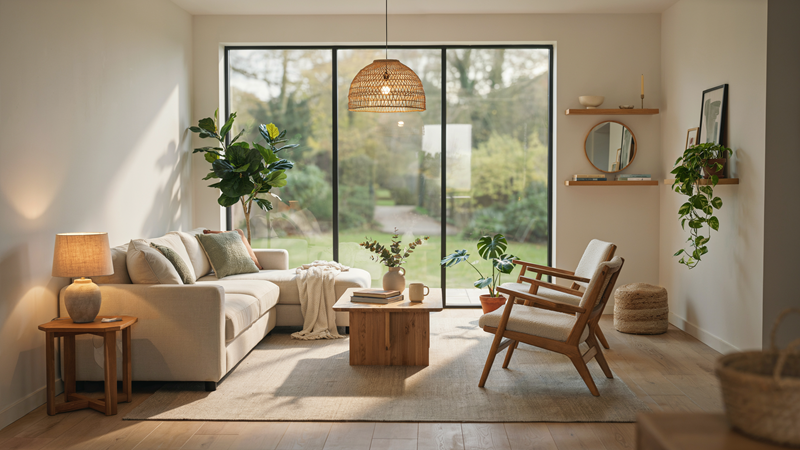
Good lighting can completely change the mood of a home.
Instead of depending on one ceiling fixture, use several types of lighting.
Ambient Lighting
This provides general illumination throughout the room. Ceiling lights and recessed fixtures are common examples.
Task Lighting
Task lighting provides focused illumination for activities such as reading, cooking, studying, or working.
Desk lamps, reading lamps, and under-cabinet kitchen lights are useful examples.
Accent Lighting
Accent lighting highlights artwork, architectural features, shelves, or decorative objects.
Floor lamps, wall sconces, and small display lights can add depth to a room.
Whenever possible, make the most of natural daylight by keeping windows unobstructed.
6. Use Mirrors to Improve Small Spaces
Mirrors are a practical decorating tool, particularly in smaller homes.
A strategically positioned mirror can reflect natural light and make a room appear more open. Large mirrors can work well in living rooms, bedrooms, hallways, and entryways.
Instead of placing mirrors randomly, position them where they can reflect something attractive, such as a window, artwork, or decorative feature.
7. Add Texture for Warmth
A room can have a beautiful color scheme and still feel cold if it lacks texture.
Mix different materials to create visual interest.
Consider combining:
- Cotton
- Linen
- Wool
- Wood
- Glass
- Metal
- Stone
- Ceramic
- Leather
For example, a simple sofa can become more inviting with a textured rug, soft cushions, a knitted throw, and a wooden coffee table.
Texture is especially useful in neutral interiors because it adds character without requiring bright colors.
8. Keep Clutter Under Control
One of the simplest ways to improve a home is to remove unnecessary clutter.
Clutter makes rooms feel smaller and can make even expensive furniture appear less attractive.
Begin with one area at a time. Remove objects that are broken, unused, duplicated, or no longer meaningful.
Use practical storage such as:
- Baskets
- Storage ottomans
- Built-in cabinets
- Floating shelves
- Drawer organizers
- Storage benches
- Decorative boxes
Keep frequently used items accessible while storing less-used belongings out of sight.

9. Decorate Your Walls Carefully
Empty walls can make a room feel unfinished, but filling every wall with decorations can create visual noise.
Choose artwork that complements the room’s color palette and reflects your interests.
You can create a gallery wall using photographs, artwork, prints, and small decorative pieces. Keep the arrangement balanced by maintaining similar spacing between frames.
For a simpler look, one large piece of artwork can act as a strong focal point.
Wall shelves are another useful option because they provide space for books, plants, photographs, and small decorative objects.
10. Bring Nature Indoors
Plants can instantly add freshness and character to an interior.
You do not need a large collection. A few carefully placed plants can make a significant difference.
Good choices for indoor spaces include snake plants, pothos, rubber plants, spider plants, and other varieties suited to your home’s lighting conditions.
If maintaining real plants is difficult, high-quality artificial plants can provide a similar decorative effect.
Natural materials such as wood, stone, rattan, and bamboo can also create a connection with nature.
11. Create an Attractive Entryway
The entryway is the first part of your home that visitors experience.
Keep it organized and welcoming with practical pieces such as:
- A narrow console table
- Wall hooks
- A mirror
- A small bench
- A runner rug
- A decorative bowl for keys
Avoid overcrowding the entrance. The goal is to create a clean and functional transition between the outside world and your living space.
12. Make the Living Room Comfortable
The living room should balance appearance with comfort.
Start with seating that suits your household. Add a coffee table that is proportional to the sofa and leave enough space for movement.
An area rug can visually connect furniture and make the room feel more complete. Ideally, at least part of the main seating should sit on the rug.
Add cushions and throws for comfort, but avoid using too many patterns at once.
13. Improve Your Bedroom Atmosphere
A bedroom should feel calm and restful.
Choose soft colors, comfortable bedding, warm lighting, and furniture that provides adequate storage.
Keep bedside tables relatively simple. A lamp, book, small plant, or decorative object may be enough.
Curtains can also make a major difference. Choose window treatments that provide privacy while allowing you to control natural light.
14. Make the Kitchen Both Stylish and Practical
A beautiful kitchen must also work efficiently.
Keep frequently used cooking tools close to your main preparation area. Organize cabinets according to how often you use their contents.
Consider adding:
- Drawer organizers
- Pull-out shelves
- Spice racks
- Pantry containers
- Under-cabinet lighting
- Wall-mounted storage
Keep countertops relatively clear so the kitchen remains easy to clean and visually organized.
15. Refresh the Bathroom With Small Changes
A bathroom does not always need a complete renovation.
Simple upgrades can include new:
- Towels
- Shower curtains
- Mirrors
- Storage baskets
- Faucets
- Lighting fixtures
- Soap dispensers
Use coordinated colors and materials to create a more polished appearance.
16. Choose Accessories With Purpose
Accessories give a home personality, but too many can make a room feel crowded.
Instead of buying many small decorations, choose a few meaningful pieces.
A large vase, interesting sculpture, framed photograph, attractive lamp, or handcrafted object can become a focal point.
Group decorative items in odd numbers and vary their height to create a more natural arrangement.
17. Decorate on a Budget
Beautiful decorating does not require unlimited money.
Start by rearranging furniture before purchasing anything new. You may discover that your existing pieces work better in a different arrangement.
Other affordable improvements include:
- Painting walls
- Changing cabinet handles
- Updating lampshades
- Adding plants
- Replacing cushions
- Using new curtains
- Rearranging artwork
- Adding a decorative rug
- Repurposing existing furniture
Focus your budget on items that make the biggest visual or functional difference.
18. Avoid Following Trends Too Closely
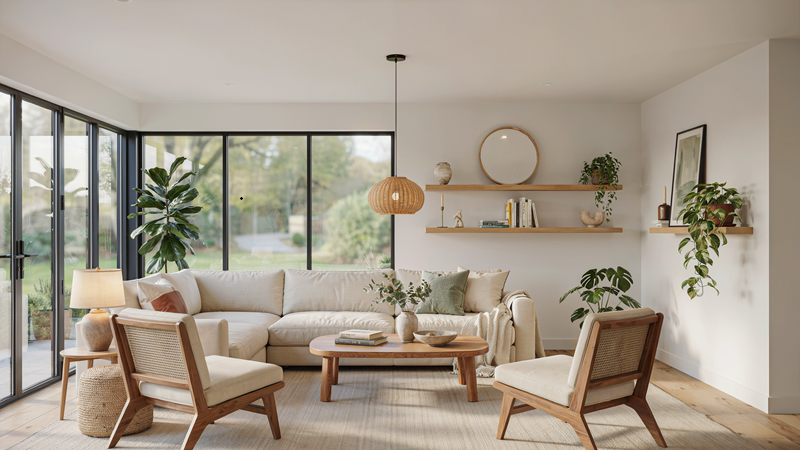
Interior trends can provide inspiration, but they should not control every decorating decision.
A trend may look attractive online but may not suit your home’s architecture, lifestyle, or budget.
Instead, create a timeless foundation and introduce current trends through easily replaceable accessories.
This approach allows you to update your home without replacing expensive furniture every few years.
19. Add Personal Details
The most memorable homes are not necessarily the ones with the most expensive decorations. They are the ones that feel personal.
Display photographs, books, travel souvenirs, artwork, handmade objects, or family heirlooms that have meaning to you.
Personal items give rooms character and make them feel lived-in rather than staged.
The best Home Decor Tips by DecoratorsHouse focus on creating spaces that look beautiful while still feeling comfortable and authentic to the people who live there.
20. Think About Function Before Appearance
Before adding any decorative item, ask whether the room works well for your everyday life.
A beautiful dining area is not useful if there is not enough space to move around the table. A stylish home office is not practical if the lighting is poor. A gorgeous kitchen can become frustrating if storage is inadequate.
Good decorating always combines appearance with functionality.
This is one of the most important principles to remember when planning improvements for any room.
Common Home Decorating Mistakes to Avoid
Even simple decorating projects can go wrong without careful planning.
Avoid these common mistakes:
Buying Furniture Without Measuring
Always measure your room, doorways, and furniture before making major purchases.
Using Too Many Colors
A controlled color palette usually creates a more cohesive appearance.
Ignoring Lighting
Even a beautifully decorated room can feel uncomfortable when the lighting is too harsh or too dark.
Overcrowding Rooms
Leave enough open space for movement and breathing room.
Choosing Style Over Comfort
Furniture should look good, but it also needs to be comfortable and practical.
Decorating Every Surface
Empty space is important. Not every shelf, table, and wall needs decoration.
How to Create a Timeless Home
A timeless interior begins with quality basics.
Choose neutral or adaptable colors for expensive items such as sofas, cabinets, flooring, and large furniture. Then use smaller accessories to introduce personality and seasonal changes.
Invest in durable materials when possible. Quality furniture may cost more initially, but it can provide better value over time.
Most importantly, create a home that works for your current lifestyle. A timeless design should not feel empty or impersonal. It should be comfortable, practical, and uniquely yours.
Final Thoughts
Decorating your home is not about following a strict set of rules. It is about understanding your space, identifying your needs, and making thoughtful choices that combine beauty with everyday functionality.
Start with a clear plan, choose a manageable color palette, arrange furniture carefully, improve your lighting, control clutter, and add personal details. You do not have to change everything at once. Even small improvements can create a noticeable difference when they are planned carefully.
The most useful Home Decor Tips by DecoratorsHouse are simple: decorate with purpose, choose quality over quantity, and create a home that feels as good as it looks.
Whether you are refreshing one bedroom or redesigning your entire house, thoughtful decorating can turn an ordinary space into a comfortable and inspiring home.