Your home is more than a collection of rooms and furniture. It is the place where you relax after a busy day, spend time with family, welcome guests, and create everyday memories. That is why a well-designed interior should feel comfortable and personal rather than simply following the latest trend.
Creating an attractive home does not necessarily require expensive furniture or a complete renovation. Small improvements to colors, lighting, furniture placement, textures, storage, and accessories can make a noticeable difference. With the right approach, you can create rooms that look polished while still feeling practical and welcoming.
This complete guide explores practical ways to improve your interior, choose the right decorative elements, avoid common mistakes, and develop a style that reflects your personality.
1. Plan Your Space and Choose the Right Style
Before purchasing decorative accessories, it is important to understand how you want each room to function. A living room may need to support conversations and relaxation, while a bedroom should create a peaceful atmosphere. A kitchen needs practical surfaces and storage, whereas a hallway may benefit from clever organization.
Planning prevents unnecessary purchases and helps you create a balanced interior. Start by identifying what is missing from the room and what currently feels uncomfortable or outdated.
Consider the room’s size, natural light, existing furniture, colors, and everyday purpose. These simple observations can help you make better decorating decisions.
Choose a Clear Decorating Style
One of the easiest ways to create a coordinated interior is to choose a general decorating direction. You do not have to follow one style perfectly, but having a clear starting point can prevent the room from looking disconnected.
Modern interiors often feature clean lines, simple furniture, and uncluttered surfaces. Traditional spaces may include classic furniture, detailed finishes, and warmer colors. Minimalist rooms generally focus on simplicity and carefully selected pieces.
You can also combine styles. For example, modern furniture can work beautifully with natural wood, handmade accessories, or vintage artwork. The goal is not to make every item identical but to create visual harmony.
Start With a Balanced Color Palette
Color is one of the most powerful tools in interior design. The right combination can influence how spacious, calm, warm, or energetic a room feels.
Begin with a base color for larger elements such as walls, flooring, sofas, or curtains. Neutral shades can provide a flexible foundation, while accent colors can be introduced through cushions, artwork, rugs, and accessories.
Instead of using many unrelated colors, choose a small palette and repeat those shades throughout the room. This creates consistency without making the interior boring.
If you enjoy bold colors, consider using them strategically. A colorful accent wall, chair, artwork, or decorative object can become a strong focal point without overwhelming the entire space.
Make the Most of Natural Light
Natural light can completely transform an interior. Before adding additional lighting, consider how you can make better use of the daylight already available.
Keep windows reasonably clear and avoid placing large furniture directly in front of them when possible. Light curtains can allow sunlight to enter while maintaining privacy.
Mirrors are another useful decorating feature. A strategically placed mirror can reflect light and create a greater sense of depth, particularly in smaller rooms.
Select Furniture According to the Room
Furniture should fit both the room and your lifestyle. A large sofa may look impressive in a spacious living room but can make a smaller area feel crowded.
Measure your space before buying major furniture. Consider walking paths, doors, windows, and the amount of room needed for everyday activities.
Rather than filling every empty corner, leave enough open space to make movement comfortable. A well-arranged room often looks more sophisticated than one filled with expensive pieces.
2. Improve Every Room With Practical Decorating Ideas
Create a Comfortable Living Room
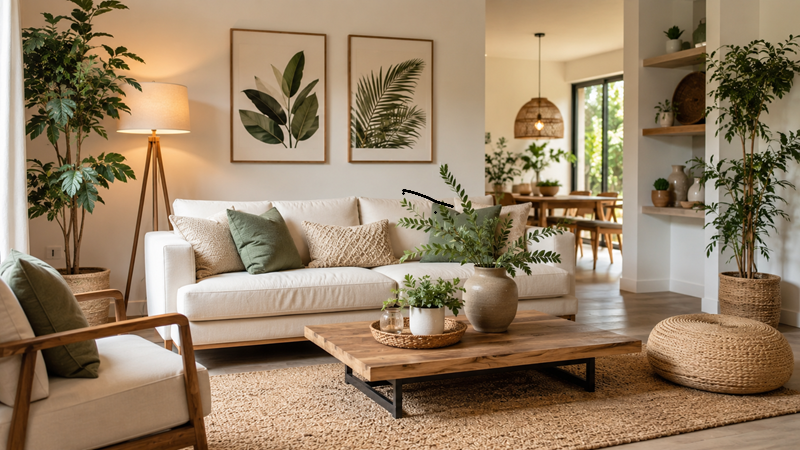
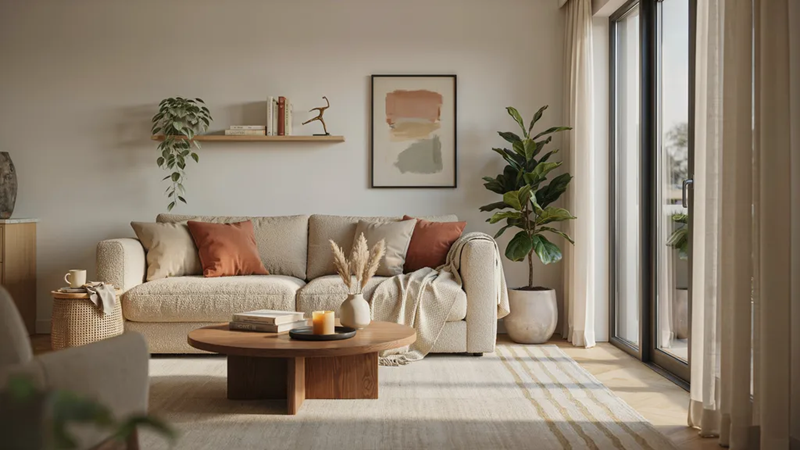
The living room is often the heart of the home, so comfort should be a priority. Arrange seating so people can easily communicate with one another instead of pushing every piece of furniture against the walls.
An area rug can help define the seating zone, while cushions and throws introduce softness and color. A coffee table provides a practical surface and can also become a decorative focal point.
Add a combination of floor lamps, table lamps, and ceiling lighting to create different levels of illumination. This makes the room more flexible for relaxing, reading, entertaining, or watching television.
Give Your Bedroom a Peaceful Atmosphere
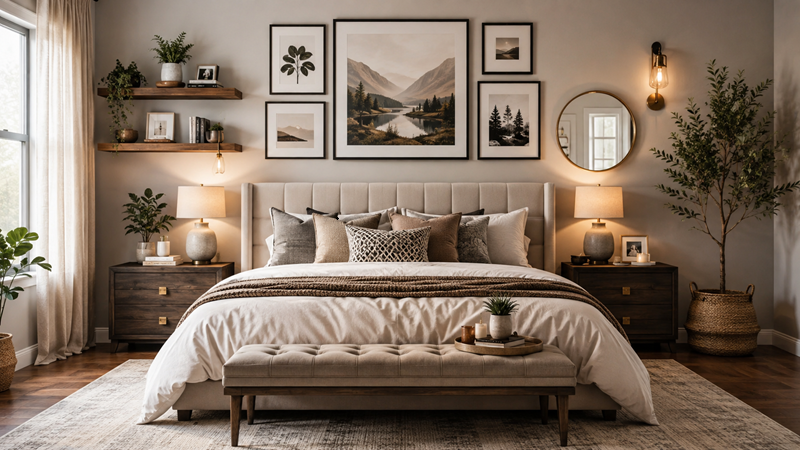
A bedroom should feel calm and comfortable. Soft bedding, gentle lighting, and a limited selection of accessories can create a relaxing environment.
Choose colors that you enjoy seeing at the end of the day. Neutral tones, soft greens, muted blues, warm creams, and earthy shades can work well when combined thoughtfully.
Keep bedside tables organized and provide practical storage for everyday items. Avoid unnecessary clutter because an overcrowded bedroom can make it harder to maintain a peaceful atmosphere.
Add Texture for Visual Interest
A room can feel plain when every surface has the same appearance. Texture adds depth and makes an interior feel more layered.
Combine materials such as wood, cotton, linen, wool, glass, ceramic, metal, and woven fibers. A soft rug can balance smooth flooring, while wooden furniture can add warmth to a modern space.
You do not need dozens of decorative objects. A few contrasting textures can have a stronger effect than a large collection of unrelated accessories.
Decorate Your Walls Creatively
Empty walls offer an opportunity to add personality. Artwork, framed photographs, mirrors, wall shelves, decorative panels, and botanical prints can all make a room more interesting.
A gallery wall can be particularly effective when several smaller pieces are arranged together. Before attaching anything permanently, place the frames on the floor to experiment with spacing and composition.
For a simpler appearance, choose one large artwork as a focal point rather than covering the entire wall.
Use Plants to Bring Nature Indoors
Indoor plants can add color, freshness, and natural texture to almost any room. Place them near suitable sources of light and choose varieties that match your ability to care for them.
Large plants can fill empty corners, while small plants work well on shelves, tables, and windowsills. Decorative planters can also become part of the overall design.
If natural plants are difficult to maintain, high-quality artificial greenery can provide a similar visual effect without regular watering.
Improve Storage Without Sacrificing Style
Good storage is essential for maintaining an attractive home. Clutter can quickly make even a beautifully decorated room appear untidy.
Use baskets, storage boxes, cabinets, shelves, and furniture with built-in compartments to keep everyday items organized. Open shelving can be useful for displaying attractive objects, while closed storage is better for belongings that you do not want constantly visible.
Try to give frequently used items a permanent place. This makes daily organization much easier.
3. Add Personality, Comfort, and Character
Add Personality With Accessories
Accessories are where your personality can become visible. Family photographs, travel memories, books, artwork, handmade objects, and favorite decorative pieces can make a home feel genuinely lived in.
Avoid purchasing accessories simply to fill empty surfaces. Select pieces that have meaning or contribute something useful to the room.
A small collection of carefully chosen objects usually looks more sophisticated than a crowded display.
Pay Attention to Lighting
Lighting deserves as much attention as furniture and color. A single ceiling light can make a room feel flat, while several light sources create atmosphere and flexibility.
Use ambient lighting for general illumination, task lighting where specific activities take place, and accent lighting to highlight artwork, shelves, plants, or architectural details.
Warm-toned lighting can create a cozy atmosphere in bedrooms and living rooms, while brighter illumination may be useful in kitchens and work areas.
Refresh Your Kitchen Without a Major Renovation
You do not always need to replace an entire kitchen to make it look newer. Small updates can have a surprisingly strong effect.
Changing cabinet handles, organizing countertops, adding attractive storage containers, or introducing wooden accessories can refresh the space. Open shelves can provide an opportunity to display attractive dishes and everyday kitchen items.
Keep countertops reasonably clear. A clean surface makes the kitchen feel more spacious and allows decorative elements to stand out.
Give the Bathroom a Decorative Touch
Bathrooms are often overlooked when decorating a home. Simple additions can make them feel more comfortable and polished.
Use coordinated towels, attractive storage baskets, mirrors, plants suitable for the environment, and carefully selected accessories. Keep unnecessary products organized rather than leaving everything on the countertop.
Natural textures such as wood and woven materials can also create a warmer atmosphere when they are suitable for the bathroom environment.
Use Mirrors to Create More Depth
Mirrors are both functional and decorative. In smaller spaces, they can create the impression of greater depth while reflecting available light.
Consider placing a large mirror in an entryway, bedroom, living room, or dining area. The frame should complement the surrounding furniture and decorative style.
Avoid placing mirrors where they reflect an unattractive or cluttered area, as this can simply duplicate the visual problem.
Mix Old and New Elements
A home does not need to look as though everything was purchased from the same collection. Combining older pieces with contemporary furniture can create character.
An antique-style mirror might work with a modern console, while a traditional wooden table can complement simple contemporary chairs. These combinations make an interior feel more personal and less like a showroom.
The key is balance. Repeat colors, materials, or shapes so different pieces still feel connected.
4. Avoid Mistakes and Create a Home That Feels Personal
Avoid Common Decorating Mistakes
One of the most common mistakes is buying too many decorative items at once. A room needs breathing space, and empty areas can actually improve the overall composition.
Another mistake is ignoring proportions. A tiny artwork above a large sofa may appear disconnected, while furniture that is too large can overwhelm a compact room.
Avoid following trends without considering your own preferences. Trends change, but well-chosen furniture and personal details can remain appealing for years.
Finally, do not sacrifice comfort for appearance. Your home should be enjoyable to live in, not simply attractive in photographs.
Make Your Home Feel Personal
The best interiors tell a story about the people who live there. Your choices do not need to follow a strict design formula.
Display books you enjoy, photographs that hold special memories, handmade pieces, artwork from places you have visited, or objects that reflect your interests. These details give rooms warmth and individuality.
This is where Home Decor becomes more than arranging furniture. It becomes a way to express your lifestyle and create an environment where you genuinely feel comfortable.
Create a Decorating Plan You Can Maintain
Instead of trying to transform your entire home in one weekend, divide the project into manageable stages. Start with the room that needs the most attention.
First address practical problems such as storage, furniture placement, and lighting. Then work on colors, textiles, artwork, plants, and accessories.
Set a realistic budget and prioritize purchases that will make the biggest difference. You can gradually improve the space as your needs and preferences change.
Final Thoughts
Creating a beautiful home is not about spending the most money or following every new trend. It is about making thoughtful decisions that balance comfort, functionality, personality, and visual appeal.
Start with a clear plan, choose a coordinated color palette, select furniture that fits the space, improve lighting, introduce natural textures, and keep clutter under control. Then add personal details that make each room feel connected to the people who live there.
The most successful Home Decor choices are often simple ones: a better furniture arrangement, a thoughtfully selected rug, attractive lighting, a few plants, or artwork that has personal meaning.
Your home does not have to be perfect. It simply needs to feel like your own. With patience, creativity, and a practical approach, you can transform ordinary rooms into comfortable and stylish spaces that you will enjoy every day.