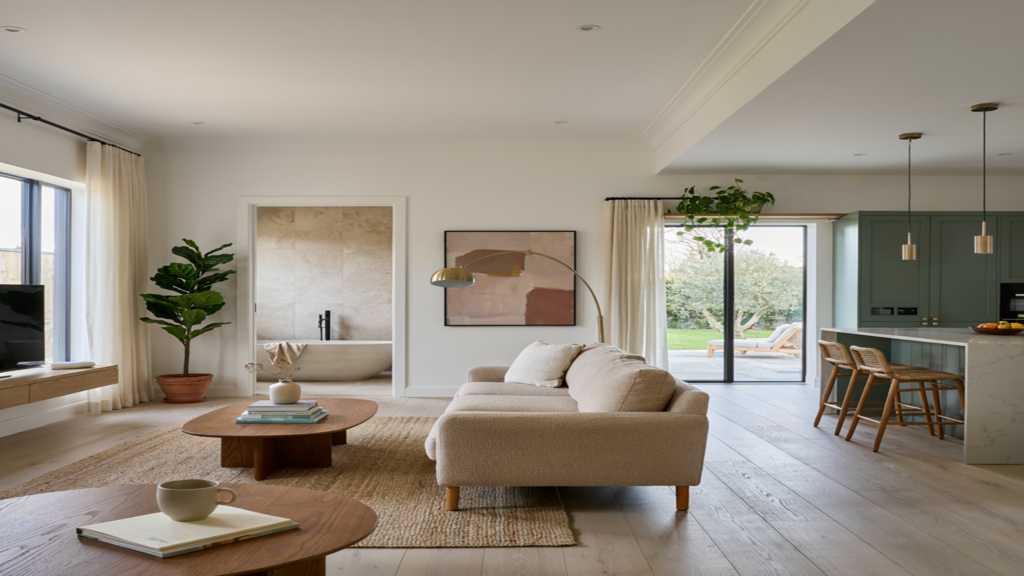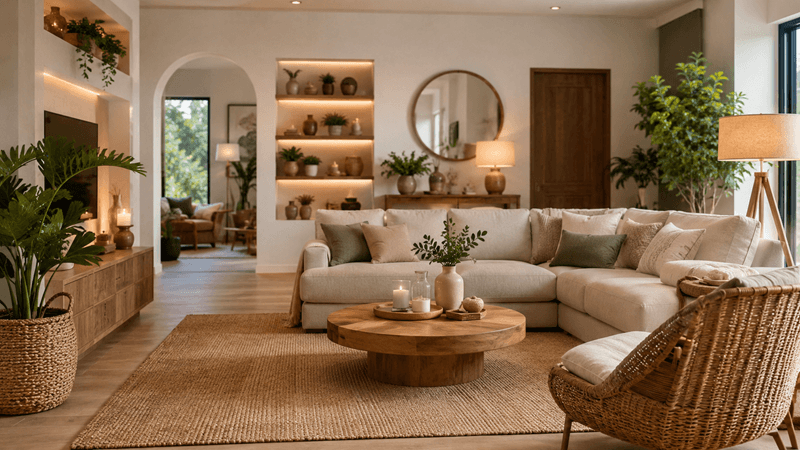
Upgrading a home does not always require a complete renovation or a large budget. With thoughtful planning, practical improvements, and carefully selected decorative elements, we can transform ordinary rooms into comfortable and attractive spaces. The right upgrades can improve functionality, create a modern appearance, and increase the overall value and enjoyment of a property. Our decoradhouse upgrade tips by decoratoradvice focus on realistic improvements that combine style, comfort, organization, and long term practicality.
1. Start With a Clear Home Upgrade Plan
Before purchasing furniture, paint, lighting, or decorative accessories, we should create a clear upgrade plan. Every room has different requirements, so it is useful to identify which areas need the most attention first. We can walk through the home and make a list of outdated finishes, damaged fixtures, poor lighting, storage problems, and areas that feel uncomfortable or unfinished.
A simple priority system can make the process easier. Structural and functional problems should normally come before purely decorative changes. For example, repairing damaged walls, leaking fixtures, faulty electrical components, or broken flooring should take priority over buying new decorations. Once the essential work is complete, we can concentrate on appearance and styling.
Budget planning is equally important. Instead of spending the entire budget on one impressive feature, we can divide available funds between essential repairs, furniture, lighting, storage, paint, and accessories. This approach helps create a balanced home where every improvement contributes to the overall result.
2. Refresh Walls With the Right Colors
Wall color is one of the easiest ways to change the atmosphere of a room. A fresh coat of paint can make an old space appear cleaner, brighter, and more contemporary. Neutral colors such as warm white, beige, soft gray, cream, and muted earth tones can create a flexible foundation for furniture and accessories.
We can also introduce an accent wall when a room needs more personality. A darker shade behind a sofa, bed, television, or dining table can create a strong focal point without overwhelming the entire space. The key is to select a color that complements the existing flooring, furniture, curtains, and natural lighting.
Small rooms generally benefit from lighter colors because they can create a more open visual effect. Larger rooms provide more freedom to experiment with deeper shades and contrasting combinations. By considering the amount of natural light throughout the day, we can choose colors that remain attractive under different lighting conditions.
3. Improve Lighting for a More Modern Interior
Good lighting can completely change how a room looks and feels. One of the most valuable decoradhouse upgrade tips by decoratoradvice is to avoid depending on a single ceiling light for the entire room. Instead, we can combine different types of lighting to create depth and flexibility.
Ambient lighting provides general illumination, while task lighting helps with activities such as reading, cooking, studying, or working. Accent lighting can highlight artwork, architectural features, shelving, plants, or decorative objects.
Pendant lights can add character above dining tables and kitchen islands, while wall lights can provide a softer atmosphere in bedrooms and living rooms. Floor lamps are useful when we want additional illumination without making permanent electrical changes.
Natural light should also be maximized. Clean windows, lightweight curtains, mirrors, and carefully positioned furniture can help distribute daylight throughout a room. When artificial and natural lighting work together, the interior can feel more welcoming and spacious.
4. Upgrade the Living Room Without Replacing Everything
The living room is often the central gathering area of a home, so small improvements can make a noticeable difference. We do not necessarily need to replace the entire furniture set. Instead, we can update selected elements such as cushions, rugs, curtains, coffee tables, lamps, and wall artwork.
A well-sized rug can visually connect the seating arrangement and make the room feel more organized. Cushions and throws can introduce texture and seasonal colors without requiring major expenditure. A coffee table with practical storage can also improve both appearance and functionality.
Furniture arrangement deserves special attention. We should create comfortable walking paths and avoid pushing every piece against the walls simply because there is available space. A balanced seating arrangement encourages conversation and gives the room a more intentional appearance.
5. Create a Functional and Stylish Kitchen
The kitchen benefits from upgrades that improve both appearance and efficiency. Before making major changes, we can identify the areas that cause everyday inconvenience. Insufficient storage, poor lighting, crowded worktops, outdated hardware, and inefficient organization are common issues.
Replacing cabinet handles can provide a surprisingly effective visual refresh. Open shelving can display attractive dishes or decorative pieces, while drawer organizers can make frequently used utensils easier to access. Under-cabinet lighting can improve visibility across preparation areas and give the kitchen a contemporary appearance.
Worktops should remain reasonably clear because excessive clutter can make even a beautiful kitchen look untidy. We can keep everyday essentials accessible while storing less frequently used appliances and equipment inside cabinets.
6. Make the Bedroom More Comfortable
The bedroom should support relaxation while reflecting personal style. Comfortable bedding, appropriate lighting, practical storage, and calming colors can significantly improve the room without requiring structural renovation.
We can begin with the bed because it is usually the visual centerpiece. Layering sheets, blankets, cushions, and a suitable throw can create a comfortable and polished appearance. Bedside lighting should provide enough brightness for reading while remaining soft enough for evening relaxation.
Storage is another important consideration. A cluttered bedroom can feel stressful, so wardrobes, under-bed storage, bedside drawers, and organized shelving can help maintain a cleaner environment. Keeping frequently used belongings accessible while reducing visible clutter creates a calmer atmosphere.
7. Upgrade Bathrooms With Practical Details
Bathroom improvements do not always require replacing every fixture. Small changes such as new mirrors, lighting, towel rails, storage baskets, shower accessories, and coordinated textiles can provide a significant visual improvement.
We should prioritize cleanliness, ventilation, and functionality before decorative changes. Damaged seals, persistent moisture, leaking fixtures, and poor ventilation should be addressed promptly. Once the functional problems are resolved, decorative elements can be introduced.
A large mirror can make a compact bathroom appear more spacious, while appropriate lighting around the mirror improves everyday usability. Coordinated towels and storage containers can also create a more organized appearance.
8. Use Smart Storage to Reduce Clutter
Effective storage is one of the most practical ways to upgrade a home. Even beautifully decorated rooms can appear untidy when belongings do not have designated places. We can use baskets, shelves, cabinets, drawers, storage benches, and multi-purpose furniture to make better use of available space.
Vertical storage is particularly useful in smaller homes. Tall shelving can take advantage of unused wall space without occupying a large amount of floor area. In bedrooms, living rooms, kitchens, and home offices, vertical organization can help keep essential items accessible while maintaining a cleaner appearance.
Before purchasing additional storage, we should review what is already in the home. Removing unused or unnecessary possessions can sometimes create more space than buying new furniture.
9. Add Natural Elements to Your Interior
Plants and natural materials can introduce warmth and visual interest. Indoor plants can be placed on shelves, side tables, window areas, or dedicated stands depending on available light and maintenance requirements.
Wooden finishes, woven baskets, natural fabrics, stone-inspired accessories, and earthy colors can also create a more comfortable environment. We should avoid adding too many decorative elements at once. A small number of thoughtfully selected natural details often produces a more sophisticated result than excessive decoration.
For homeowners who prefer low-maintenance styling, durable artificial greenery can provide a similar visual effect without regular watering, although quality and realistic appearance should be considered carefully.
10. Upgrade Flooring and Textures
Flooring has a major influence on the overall appearance of a room. If complete replacement is outside the budget, we can improve the existing floor through professional cleaning, repairs, refinishing where appropriate, or carefully selected area rugs.
Textures can also make an interior feel more layered. Combining smooth furniture with soft fabrics, woven materials, rugs, curtains, and cushions creates visual depth. A room containing only hard surfaces can feel cold, while thoughtful textural combinations can make it feel warmer and more inviting.
When selecting rugs, we should consider both room dimensions and furniture placement. A rug that is too small can make the furniture arrangement appear disconnected, while an appropriately sized rug can visually unify the space.
11. Improve the Home Entrance
The entrance creates the first impression of a home. A clean doorway, attractive lighting, practical shoe storage, a mirror, and a small decorative feature can make the entry area more welcoming.
Inside the entrance, we can use a console table, hooks, baskets, or a narrow storage cabinet to keep everyday items organized. The objective should be to combine appearance with convenience. An entrance that looks attractive but becomes cluttered quickly will not remain practical.
For exterior improvements, maintaining the door, improving lighting, cleaning pathways, and adding suitable plants can make the property appear more cared for without requiring an expensive redesign.
12. Choose Décor With a Consistent Style
A common decorating problem is buying attractive items individually without considering how they work together. We can avoid this by selecting a consistent design direction before purchasing accessories.
Modern, minimalist, traditional, rustic, contemporary, industrial, and transitional interiors each have different visual characteristics. Choosing one primary style does not mean every item must match perfectly. Instead, colors, materials, shapes, and proportions should create a sense of connection.
The best decoradhouse upgrade tips by decoratoradvice encourage intentional decorating rather than filling every empty surface. Negative space is valuable because it allows important furniture and decorative features to stand out.
13. Upgrade Hardware and Small Details
Small hardware changes can deliver excellent results for a relatively modest investment. Cabinet handles, drawer pulls, door hardware, faucets, curtain rods, and light switches can influence how modern or outdated a room feels.
When changing hardware, we should consider consistency. Using complementary finishes throughout nearby areas can create a more coordinated appearance. However, mixing materials can also work when it is deliberate and balanced.
Small details often receive less attention than major furniture purchases, yet they can significantly influence the finished look of a room.
14. Make Home Improvements More Energy Efficient
Home upgrades can also focus on efficiency. Energy-efficient lighting, improved insulation, suitable window coverings, efficient appliances, and properly maintained fixtures can help reduce unnecessary energy use.
We can begin with simple changes before considering larger projects. Switching frequently used lights to efficient alternatives, reducing drafts, maintaining heating and cooling equipment, and improving natural ventilation can contribute to a more comfortable home.
Window treatments are particularly useful because they can help control sunlight and privacy while contributing to the decorative scheme. The best solutions combine practical performance with a design that complements the room.
15. Upgrade Outdoor Areas
Outdoor spaces deserve the same attention as interiors. A balcony, patio, terrace, or garden can become an extension of the living space with appropriate seating, lighting, plants, and weather-suitable accessories.
We can begin by cleaning and organizing the area. Comfortable seating can then provide a functional purpose, while outdoor lighting can make the space more usable during the evening. Potted plants and simple decorative elements can introduce color and natural character.
The amount of furniture should match the available space. Crowding a small balcony with oversized furniture can make it difficult to move around, while compact seating and vertical planting can make better use of limited areas.
16. Focus on Quality Instead of Excess
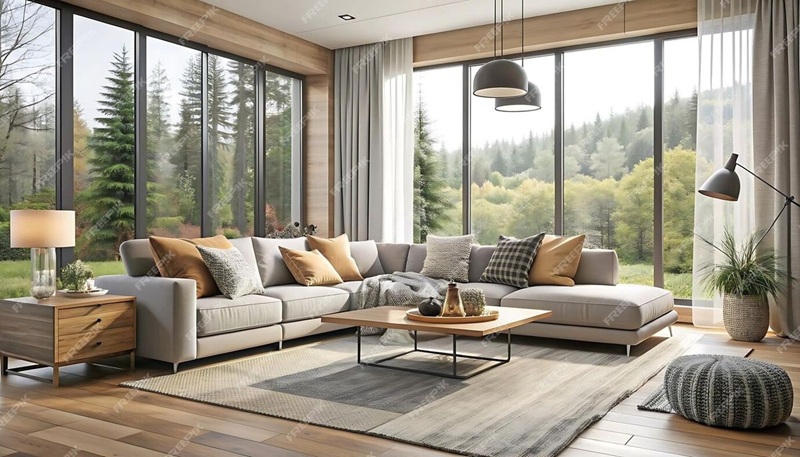
One of the most important principles in successful home upgrading is choosing quality and usefulness over quantity. A room does not become more sophisticated simply because it contains more furniture and decorations.
We can select fewer pieces that have strong visual appeal, practical value, and suitable proportions. Durable materials may also provide better long-term value than inexpensive products that need frequent replacement.
Before buying an item, it is useful to consider where it will be placed, how often it will be used, whether it complements existing elements, and whether it solves a genuine problem.
17. Use a Room-by-Room Upgrade Strategy
Trying to upgrade an entire home simultaneously can become expensive and overwhelming. A room-by-room strategy allows us to focus attention and budget where they are most needed.
We can start with the room that has the greatest impact on daily life. After completing its essential improvements, we can move to the next area. This approach makes progress easier to measure and reduces unnecessary purchases.
A simple sequence can include planning, decluttering, repairs, painting, lighting, furniture adjustments, storage improvements, and final decoration. Following the same process across different rooms creates consistency throughout the property.
18. Final Checklist for a Successful Home Upgrade
Before considering an upgrade complete, we should review the space from both a design and practical perspective. Furniture should allow comfortable movement, storage should be sufficient, lighting should serve different activities, and decorative elements should feel balanced.
We should also check whether the room is easy to clean and maintain. Beautiful interiors that require constant maintenance may become frustrating over time. Practical materials and sensible organization can help preserve the finished appearance.
The goal is not simply to make a home look different. The goal is to create spaces that feel comfortable, function efficiently, and reflect a thoughtful approach to design. By combining practical improvements with carefully selected decorative details, we can achieve meaningful results without unnecessary renovation costs.
Conclusion
A successful home upgrade begins with planning and ends with thoughtful details. From refreshing wall colors and improving lighting to organizing storage, updating kitchens, creating comfortable bedrooms, and enhancing outdoor areas, every improvement can contribute to a better living environment.
The strongest decoradhouse upgrade tips by decoratoradvice focus on balance, functionality, comfort, and visual consistency. We do not need to change everything at once. By identifying priorities, setting a realistic budget, and completing improvements step by step, we can transform a dated or cluttered home into a space that feels modern, practical, and welcoming.
With careful choices and attention to detail, even relatively simple upgrades can produce a noticeable transformation. The most valuable home is not necessarily the one with the most expensive decorations, but the one where every room has been designed to support the way we live.