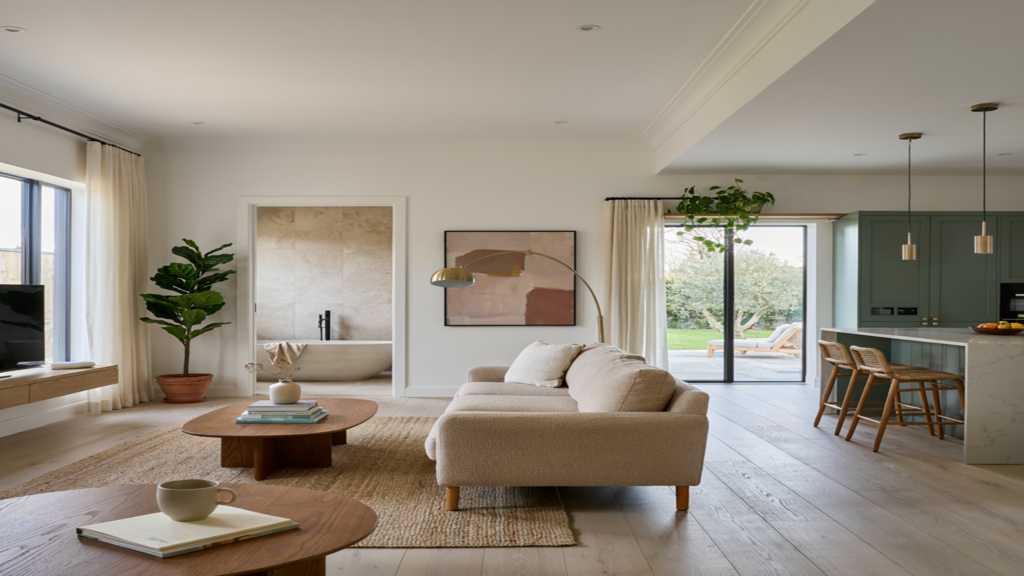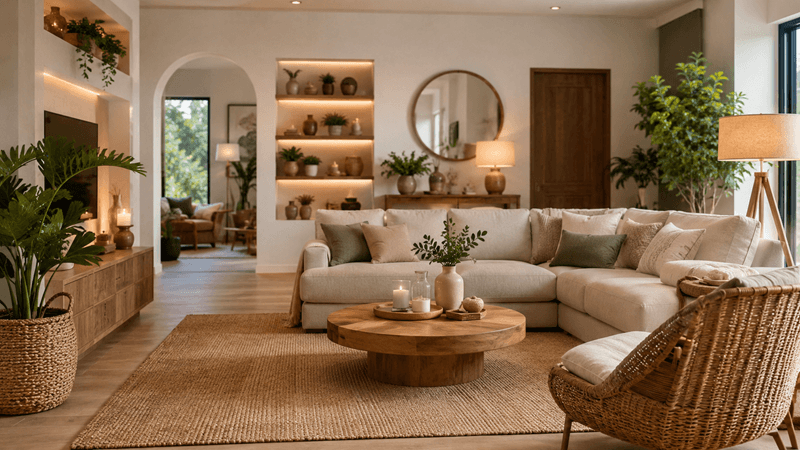
Your home does not need a complete renovation to feel fresh, comfortable, and modern. Sometimes a few carefully selected improvements can completely change the atmosphere of a room. The best upgrading tips decoradhouse approach is to focus on improvements that combine appearance, comfort, organization, and everyday usefulness rather than spending money simply to follow a trend. Current 2026 interior design coverage shows a growing preference for warmer, more personal, lived-in spaces instead of interiors that look overly coordinated or generic.
Why Home Upgrades Matter
A home upgrade should make your daily life easier while also improving the visual character of your space. Before buying furniture or starting renovation work, walk through each room and identify what genuinely bothers you. Is the room too dark, cluttered, uncomfortable, outdated, or difficult to use? Once you understand the real problem, you can spend your budget on a solution instead of collecting decorative items that add little value. Professional home improvement advice increasingly emphasizes functionality alongside style, showing that practical features such as better storage, lighting, and smart technology can make a meaningful difference.
Start With Your Lifestyle
Think about how you actually use your home. A family that entertains regularly may need flexible seating and a welcoming dining area, while someone working from home may benefit more from a dedicated workspace and improved lighting. Your interior should support your routines rather than simply imitate photographs from social media. Personal objects, meaningful artwork, family pieces, and carefully selected furniture can make a space feel authentic and distinctive.
Set a Realistic Budget
Create a simple budget before beginning your project. Divide your money between essential repairs, functional improvements, decorative changes, and a small contingency amount for unexpected expenses. You do not need to replace everything at once because gradual improvements can produce excellent results. A useful strategy is to complete one room properly before moving to another, allowing you to learn what works for your home and avoid unnecessary purchases.
Refresh Your Living Room
The living room is often the first place guests notice, but it should primarily be comfortable for the people who live there. Start by checking the furniture arrangement and make sure people can move naturally through the room. A sofa does not always need to sit against a wall, and a simple conversation-focused arrangement can sometimes make a room feel larger. Current design thinking is moving toward spaces with warmth, personality, texture, and practical comfort rather than rooms filled with matching furniture.
Improve Furniture Placement
Measure the room before purchasing anything new. Keep enough walking space around major furniture and avoid blocking windows, doors, or important architectural features. If your existing furniture is still comfortable and structurally sound, consider rearranging it instead of replacing it. A new rug, coffee table position, or seating arrangement can create the feeling of a redesigned room at a much lower cost.
Add Better Lighting
Lighting can transform a room without requiring major construction. Instead of depending entirely on one bright ceiling fixture, combine ceiling lighting with floor lamps, table lamps, wall lights, or accent lighting. Layered warm lighting is becoming increasingly popular because it creates a softer and more comfortable atmosphere.
Upgrade Your Walls
Walls provide a large visual area, so changing them can have a surprisingly strong effect. A fresh coat of paint is one of the easiest improvements, but color should be selected according to natural light, furniture, room size, and personal preference. Warm neutrals can create a calm foundation, while a carefully chosen deeper color can give a feature wall more personality. Instead of covering every surface with decoration, select a few pieces that have meaning or complement the architecture of the room.
Choose the Right Colors
Do not select paint simply because a color is currently popular. Look at the room at different times of the day because natural and artificial light can change how a shade appears. Test small samples before committing to a complete wall. A balanced palette can include a main neutral, a secondary tone, and one stronger accent that appears through cushions, artwork, curtains, or accessories.
Use Art and Decorative Features
Artwork can make an interior feel personal without requiring expensive furniture. Family photographs, handmade pieces, traditional crafts, framed prints, and carefully selected objects can all contribute character. Designers are currently encouraging homeowners to use meaningful belongings and individual collections rather than creating spaces that look identical to showroom interiors.
Improve Your Kitchen
A kitchen upgrade should begin with function. Look at the areas where you waste time, such as difficult cabinets, crowded countertops, poor lighting, or inconvenient storage. Sometimes replacing cabinet handles, improving lighting, organizing drawers, and adding useful shelves can create a noticeable transformation without rebuilding the entire kitchen. If a larger renovation is planned, prioritize durable materials and layouts that make cooking, cleaning, and storage easier.
Increase Storage and Organization
Clutter can make even a beautiful kitchen appear outdated. Use drawer organizers, vertical storage, pull-out systems, and clearly defined areas for frequently used items. Keep everyday appliances accessible while storing less frequently used equipment elsewhere. The goal is not to hide everything but to create a system where each item has a practical place.
Update Fixtures and Hardware
Small hardware changes can give cabinets and drawers a fresh appearance. New handles, faucets, lighting fixtures, and carefully selected accessories can provide a modern touch without replacing perfectly functional cabinetry. Choose finishes that work together rather than mixing too many competing metals or styles.
Make Bedrooms More Comfortable
A bedroom should feel restful rather than visually overwhelming. Start with the bed because it usually dominates the room and influences the entire composition. Quality bedding, comfortable pillows, suitable curtains, and soft lighting can make a bigger difference than adding numerous decorative objects. Keep surfaces reasonably clear so the room feels peaceful when you return at the end of the day.
Focus on Textiles and Lighting
Textiles are an easy way to introduce warmth, pattern, and texture. Consider adding a rug, layered bedding, curtains, or cushions that complement your existing color palette. Bedside lighting is particularly useful because it provides softer illumination than a strong central ceiling light. If you enjoy color, introduce it through smaller items so the room remains flexible when your preferences change.
Upgrade Your Bathroom
Bathrooms benefit from improvements that combine durability with visual appeal. Look for signs of leaking fixtures, damaged grout, poor ventilation, or inefficient storage before focusing on decoration. A cleaner layout, better mirror, improved lighting, modern hardware, and organized storage can make a bathroom feel significantly newer. Moisture-resistant materials are especially important in humid environments because decorative choices should survive regular exposure to water and humidity.
Choose Practical Materials
Select flooring, wall finishes, cabinets, and fixtures according to maintenance requirements as well as appearance. A beautiful material that is difficult to clean may become frustrating over time. Good design should make daily maintenance easier, not create additional work. If the bathroom is small, lighter colors, large mirrors, and efficient storage can help it feel more spacious.
Bring Nature Indoors
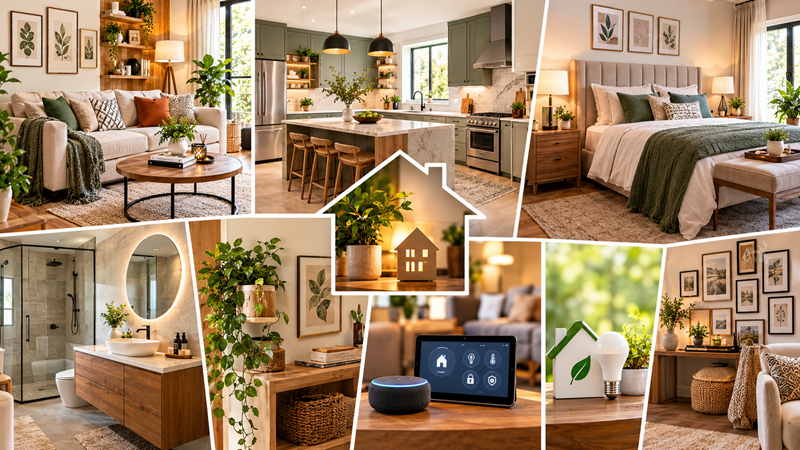
Natural elements can make interiors feel calmer and more connected to the outside world. Plants, wood, woven materials, stone textures, natural fabrics, and earthy colors can introduce warmth without making the room feel overly decorated. Nature-inspired design is also one of the broader directions being highlighted in 2026 home improvement discussions.
Add Plants and Natural Textures
Choose plants according to the amount of sunlight and maintenance you can realistically provide. If live plants are not practical, natural textures can still create a similar visual effect. Wooden furniture, woven baskets, jute-style rugs, textured fabrics, and handmade accessories can give a room depth and character while keeping the overall design relaxed.
Consider Smart Home Features
Technology can be useful when it solves an actual problem. Smart lighting, automated controls, connected appliances, security features, and convenient charging solutions can make everyday routines easier. Research into 2026 home improvement trends identifies technology integration as an important direction, particularly where it improves convenience, efficiency, safety, and future usability.
Improve Convenience and Efficiency
Avoid installing technology simply because it is fashionable. Consider what you repeatedly do every day and where automation could save time. Smart lighting can provide different settings for work and relaxation, while connected devices can help manage energy use and household routines. Keep controls simple so technology improves your home rather than making it unnecessarily complicated.
Make Energy-Efficient Improvements
Energy efficiency can be one of the most practical forms of home improvement. Check doors and windows for drafts, use efficient lighting, maintain cooling equipment, and consider insulation where appropriate. In hot climates, reducing unwanted heat entering the home can improve comfort as well as energy consumption. For larger projects, professional assessment is worthwhile because the best solution depends on the building, climate, construction, and existing systems.
Reduce Everyday Energy Use
Small habits and upgrades can work together. Turn off unnecessary lights, use efficient appliances, improve natural ventilation where appropriate, and choose window treatments that help manage sunlight. If you are planning a major renovation, consider energy performance from the beginning rather than trying to correct inefficient design afterward.
Create a Personalized Interior
One of the strongest upgrading tips decoradhouse principles is to create a home that reflects the people living inside it. A fashionable room may look impressive in a photograph but still feel uncomfortable if it does not suit your lifestyle. Designers are increasingly emphasizing personality, meaningful belongings, and spaces that evolve naturally over time.
Avoid Following Trends Blindly
Trends can provide inspiration, but they should never control every decision. Choose timeless foundations such as comfortable furniture and durable finishes, then experiment with trends through easily replaceable accessories. This approach gives you flexibility because cushions, artwork, lamps, and small decorative pieces can be changed much more easily than flooring or built-in cabinetry.
Plan Upgrades Room by Room
A successful project usually begins with priorities rather than impulse purchases. Make a list of problems in every room, rank them by importance, and estimate the cost of each improvement. Deal with safety, repairs, and functionality before purely decorative changes. This simple process helps prevent your budget from disappearing on attractive items while important problems remain unresolved.
Prioritize High-Impact Changes
Look for improvements that affect both appearance and daily life. Better lighting, storage, paint, furniture placement, window treatments, and comfortable textiles can often deliver significant results. When money is limited, choose three strong improvements instead of ten weak ones. A focused design usually looks more intentional than a room filled with random upgrades.
Common Home Upgrade Mistakes
Another important part of upgrading tips decoradhouse is knowing what not to do. Buying everything at once, copying another person’s home, choosing materials only because they look expensive, and ignoring maintenance can create problems later. A renovation should be judged by how well it performs after months and years, not only by how impressive it looks immediately after completion.
Avoid Overspending
Do not assume that a higher price automatically means better design or quality. Compare materials, understand installation requirements, and think about long-term maintenance before committing. Recent home improvement advice also stresses that spending more does not necessarily guarantee better performance, making thoughtful selection more important than simply choosing the most expensive option.
Conclusion
The smartest upgrading tips decoradhouse strategy is to improve your home with purpose. Start with comfort and functionality, establish a realistic budget, improve lighting and storage, introduce natural textures, personalize your rooms, and adopt technology only when it genuinely makes life easier. You do not need to complete a dramatic renovation to create a home that feels modern and welcoming. By making thoughtful improvements gradually, you can build an interior that looks attractive today while remaining practical and personal for years to come.