Introduction
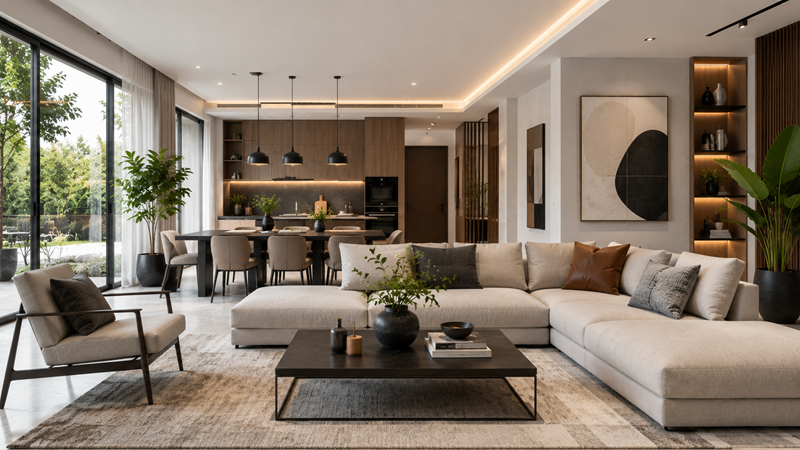
A beautiful home is not just a room filled with beautiful furniture and decorative accessories, it is a place that reflects your personality, supports your life and comforts all who live within it. From decorating a brand new home to sprucing up an older house or updating a single room, interior design basics can help you make sound decisions that will last for years.
Home Interior Design DecoratorsHouse aims to help homeowners, renters, and design enthusiasts create homes that are beautiful, comfortable, and highly functional. Whether you are decorating a single room or renovating your entire home, our expert guidance makes the process easier and more enjoyable. Moreover, great interior design does not have to be expensive. Instead, by carefully selecting the right furniture, color palette, lighting, and decorative accessories, you can transform any space into a stylish and welcoming home. Additionally, thoughtful planning and smart decorating choices improve both comfort and functionality. Ultimately, our goal is to inspire you with practical ideas that help you create a home you will love for years to come.
This comprehensive guide tells you all you need to know, including layout planning, which design style to go for, furniture, lighting, accessories, and money saving decorating tips.
What Is Home Interior Design?
The way to improve the interior of a house, whether for its beauty or utility, is the design, planning, and organization of interior spaces. It is a blend of creativeness and practicality that produces rooms which are not only visually appealing, comfortable and efficient for everyday use.
The design of the interior is a design field that emphasizes balance between beauty and function. From the furniture arrangement to the lighting, colors, textures, flooring, and décor, every element plays a crucial role in creating a harmonious living space.
The Interior Design consists of the following elements:
• Space planning
• Color selection
• Furniture arrangement
• Lighting design
• Flooring materials
• Wall treatments
• Decorative accessories
• Storage solutions
• Window treatments
• Textures and finishes
The significance of Home Interior Design.
People think interior design is just for luxury homes, but it is beneficial to any home. An interior design that is properly designed can help greatly improve the life that you live every day.
The advantages of good interior design are:
• Greatly reduced risks of injury or falls Improved organization and storage
• Improved natural lighting Efficient use of space (to be used)
• Higher property value
• Reduced visual clutter Sustained higher productivity for home offices.
A friendly and inviting environment for families and visitors.
Even slight adjustments like reshaping, rearranging furniture, lighting, or repainting walls can make a great difference in the overall ambience of your home.
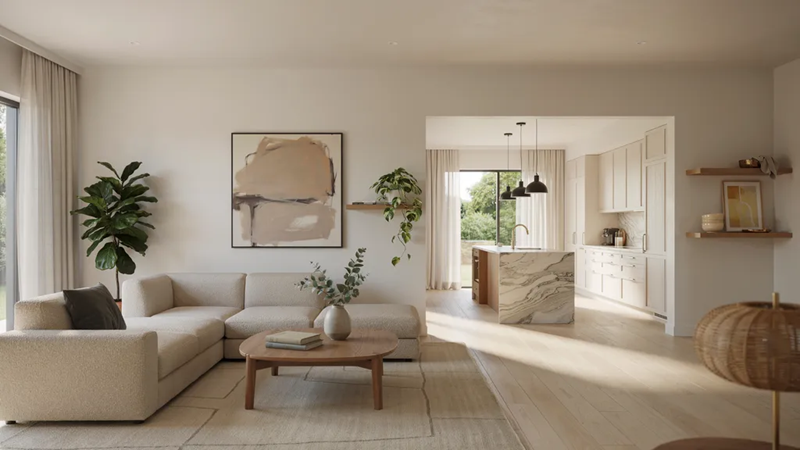
Have a clear interior design plan in place.
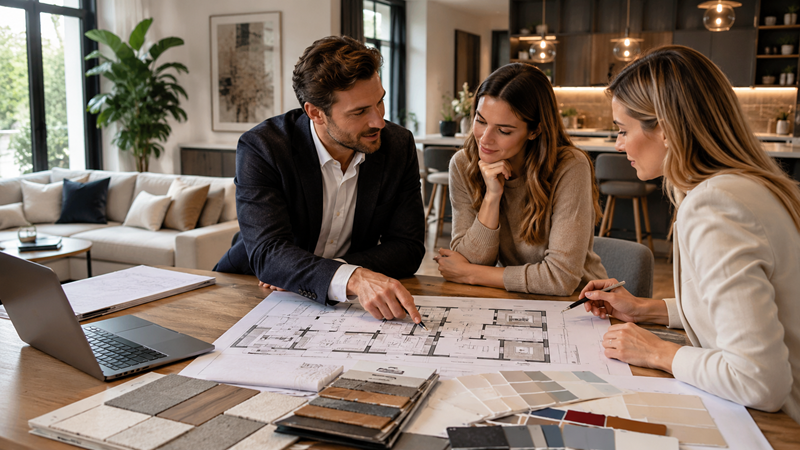
All good decorating starts with good planning. Assess your requirements and then devise a practical plan prior to buying furniture, or before choosing paint colors.
Ask yourself:
• What style best matches my personality?
What are the most room-to-room improvements required?
How much I can spend on decorating?
How do each of the rooms use each day?
If you need more storage, where can you get it?
What items of furniture can I salvage?
A colour board, ideas about furniture and images that inspire you can help you keep the same look throughout the project.
Popular Interior Design Styles
By selecting one main design style you can generate harmony throughout your home.
Modern Style
Furniture design is based on simple designs with minimal decoration and neutral colors with clean lines in modern interiors.
Key Features
• Neutral color palettes
• Minimal accessories Add a little sparkle with glass and metal accents.
• Functional furniture
• Open floor plans
Contemporary Style
A contemporary design is simple and elegant, yet it’s in line with the current trend.
Common characteristics include:
• Soft neutral colors
• Curved furniture
• Mixed materials
• Large windows
• Stylish lighting fixtures
Scandinavian Style\
Nordic interiors are characterized by simplicity, functionality and natural light.
Popular elements include:
• White walls
• Natural wood
• Cozy textiles
• Indoor plants
• Minimal furniture
Farmhouse Style
The interiors of farmhouses blend in rustic beauty and comfort.
Features include:
• Reclaimed wood
• Neutral colors
• Open shelving
• Vintage accessories
• Comfortable furniture
Minimalist Design
Minimalism is all about less is more.
Characteristics include:
• Clean surfaces
• Hidden storage
• Functional décor
• Neutral colors
• High-quality furniture
Interpretation of Principles of Interior Design.
There are some basic principles that have stood the test of time, which professional designers use to create beautiful interiors.
Balance
Balance is about the even distribution of furniture and decorative items throughout a room.
Three types include:
• Symmetrical balance
• Asymmetrical balance
• Radial balance
Unity
Every room should feel connected. Repeating colors, materials, or patterns creates harmony throughout the home.
Rhythm
Rhythm guides the eye naturally through a space by repeating colors, textures, or shapes.
Emphasis
Every room needs a focal point, such as:
• Fireplace
• Statement sofa
• Feature wall
• Large artwork
Contrast
Using a mix of light and dark hues, textured or smooth surfaces, and contemporary and traditional pieces adds interest to a space.
Scale and Proportion
Furniture and accessories must be suitable for the space and each other. Larger furniture items could make a small room feel overrun and small decor items might seem unimportant in a larger room.
Choosing the Perfect Color Palette:
Colour is a strong instrument in mood and atmosphere. White Makes the space bright, clean, and spacious. Beige Increases warmth and elegant centuries-old style.
Gray
Provides a stylish and contemporary look.
Blue
Promotes relaxation and calmness.
Green
Refreshes and provides a natural bond. Earth Tones Create cozy and welcoming interiors.
The 60-30-10 Rule It is a standard color combination for professional decorators:
• 40% Secondary color (small furniture, curtains, carpets, and other accessories). Secondary colors – 30% (curtains, rugs, chairs) For example, accent colour (pillows, artwork, décor) 10%.
If you want to decorate your interior, you need to choose the right furniture.
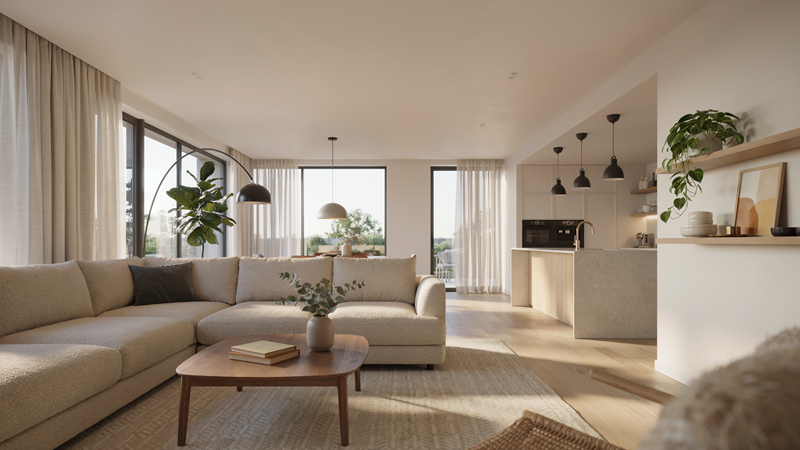
Furniture should be a blend of style, comfort and function. Consider: • Room dimensions • Daily use • Comfort • Material quality • Storage capabilities • Durability Consider furniture sizes with adequate clearance for maneuvering in the room.
Lighting is crucial when it comes to creating an impact:
Lighting will make or break the character and use of a space.
There are three types of lighting recommended by professional designers which are to be layered.
Ambient Lighting
Provides overall illumination.
Examples include:
• Ceiling fixtures
• Chandeliers
• Recessed lighting Task Lighting Supports specific activities.
Examples include:
• Desk lamps
• Reading lights
• Under-cabinet kitchen lighting Accent Lighting Identifies architectural elements, artwork or decorative elements.
Examples include:
• Wall sconces
• LED strip lighting
• Picture lights All three of these make for a cozy and welcoming space.
Combine Textures and Materials:
Combine Textures and Materials
Textures give depth and dimension to all rooms.
To create contrast combine: The wooden furniture is paired with velvet cushions.
• Woven rugs to cover glass tables
Marble counter tops and warm timber cabinets\
It is better to use soft fabrics with metal fixtures.
Seats are leather and throw pillows are knitted.
The mixing of various textures brings richness and professionalism to interiors.
This is the Room by Room Interior Design Guide.This is the Room by Room Interior Design Guide:
Living Room
The living room is the central room of the house.
Design tips:
Provide seating for discussion.
Buy a large sized area rug that matches the furniture.
• Add layered lighting. Add art and house plants.
• Maintain passability of walkways.
Bedroom
Your bedroom should be a place of relaxation.
Focus on:
• Comfortable bedding
Soft lighting You’ll find that neutral or calming colors are excellent choices.
• Minimal clutter
• Quality mattress
• Functional bedside tables
Kitchen
A beautiful kitchen, that’s also functional.
Include:
• Smart storage
• Durable countertops
• Efficient work triangle
• Under-cabinet lighting
• Stylish hardware
• Organized cabinetry
Bathroom
Simple improvements can bring about a luxury spa experience.
Ideas include:
• Frameless mirrors
• Floating vanities
• Decorative towels
• Waterproof storage
• Indoor greenery
• Soft lighting
Hallway and Entryway
First impressions matter.
Make these areas more interesting by adding:
• Statement mirrors
• Console tables
• Decorative lighting
• Seasonal flowers
• Wall artwork
Storage Solutions To Keep Your Home Organized
Having an organized house is a must to make it look great.
Here are some smart storage ideas:
• Built-in shelving
• Storage benches
• Under-bed containers
• Wall-mounted cabinets
• Closet organizers
• Multi-purpose furniture
Home is always bigger and more serene when it’s not cluttered.
Kids’ bedroom interior design at an affordable cost.
Stylish home interiors don’t need to be expensive.
Affordable improvements include:
• Painting walls
• Updating cabinet handles
• Rearranging furniture
• Installing new lighting
• Adding plants
• Hanging artwork
• Replacing curtains
• DIY shelving projects Doing or buying from thrift stores or reusing furniture
The best houses always feature affordable decor, and well-thought after investments.
The following are some of the most frequent interior design missteps that can be avoided:
To avoid these common decorating mistakes:
Avoid purchasing furniture without taking measurements of the space.
• Ignoring natural lighting • Using too many colors
• Overdecorating shelves
Spending more on style than on comfort.Spending more money on style than comfort.
• Blocking windows
• Purchasing poor-quality furniture
• Forgetting storage needs
Interior Design Trends for 2026
New houses are taking steps to become beautiful and sustainable.
Popular trends include:
• Sustainable materials
• Earth-tone color palettes
• Curved furniture
• Smart home technology
• Natural wood finishes
• Textured walls
• Biophilic design
• Multifunctional spaces
• Large indoor plants The trends make homes stylish, functional and eco-friendly.
Why Choose DecoratorsHouse?
Home Interior Design DecoratorsHouse offers useful ideas, professional guidance, and simple decorating tips to homeowners of all levels of experience to help them create beautiful interiors.
We do our utmost to ensure our content is well-researched so that our readers can feel confident in enhancing each room of their homes. Whether you’re looking for interior design ideas, home decor how-to, do-it-yourself projects, furniture suggestions or season decorating tips, we have it all covered.
From a cozy apartment to a family home undergoing remodelling or your dream interior being designed from scratch, our aim is to give you trustworthy information that helps you make informed decisions.
Conclusion
In the design of a beautiful home, creativity, planning and thought must be included. With these concepts and knowledge, you can design an interior space that is comfortable, functional, and inspiring.
Keep in mind that decorating is not a matter of keeping up with the latest trends, it is a matter of making a house home. Tiny enhancements, executed properly make an impact the most.
From decorating a first apartment to tackling a comprehensive home decorating job, Home Interior Design DecoratorsHouse is the place you can depend on for expert direction, creative concepts and home improvement ideas. A well planned home with the right design can be a lovely home that combines comfort, style and functionality in the most perfect way.