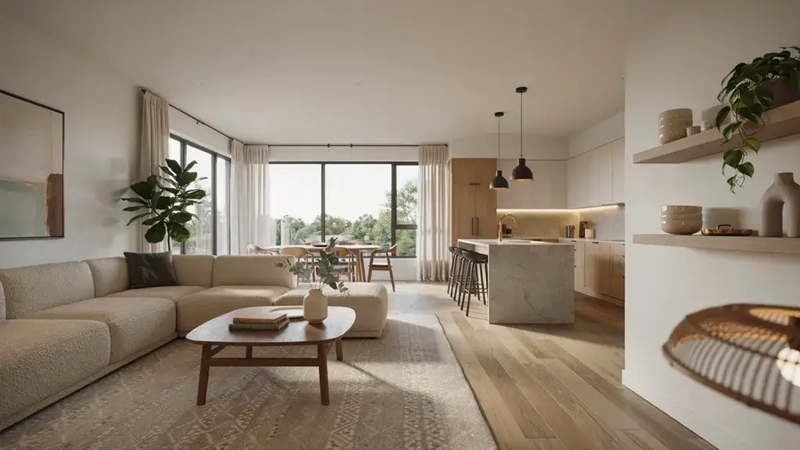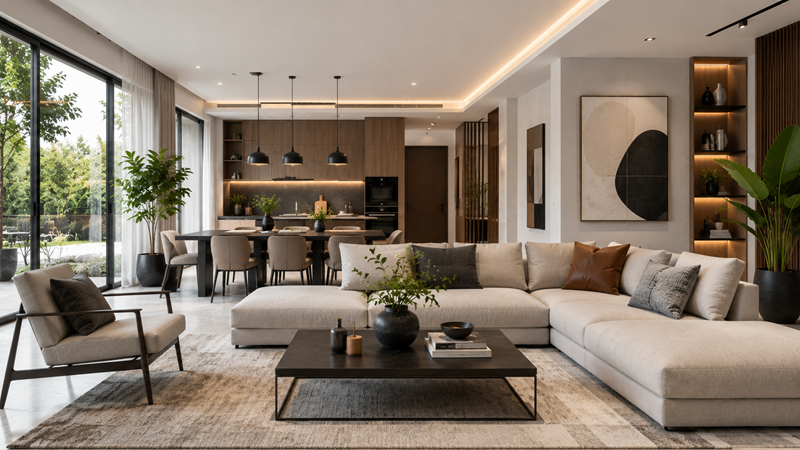
Building, renovating, or redesigning a home is a major investment. The decisions you make during the planning stage can affect your home’s appearance, functionality, comfort, and long-term value. Choosing the right Architect and Interior Designer can make the entire process easier and help turn your ideas into a practical and beautiful living space.
However, selecting the right professional requires more than looking at attractive project photographs. You need to consider experience, design style, communication, services, budget, timelines, and previous work. The following guide explains the most important factors to consider before hiring an architect or interior designer for your home.
Understand What an Architect Does
An architect primarily focuses on the building itself. Their responsibilities may include creating layouts, developing architectural plans, considering structural requirements, designing the exterior, and preparing technical drawings.
If you are constructing a new house, extending an existing property, changing its layout, or undertaking a major renovation, an architect can help ensure that the project is properly planned.
Before hiring an architect, ask which services they provide. Some architects focus mainly on design and drawings, while others may also assist with project coordination, contractor communication, and construction supervision.
Understanding their responsibilities from the beginning can prevent confusion later in the project.
Understand What an Interior Designer Does
An interior designer focuses on the indoor environment and how people experience and use each space. Their work may include space planning, furniture selection, color schemes, lighting, flooring, wall finishes, storage solutions, and decorative elements.
A professional interior designer does more than make a room look attractive. They consider your lifestyle, daily routines, comfort, and practical requirements.
For example, a family with children may need durable furniture and additional storage. Someone who studies or works from home may need a comfortable and organized workspace. The interior should therefore combine visual appeal with everyday functionality.
Architect vs. Interior Designer
Although architects and interior designers often work together, their responsibilities are different.
An architect generally concentrates on the building’s structure, overall layout, exterior design, and technical aspects. An interior designer focuses primarily on the spaces inside the building, including furniture, materials, lighting, colors, finishes, and interior layouts.
Some projects may require both professionals. A new home, for example, may need an architect to develop the building design and an interior designer to create comfortable and attractive indoor spaces.
The right choice depends on the scope of your project. Before contacting professionals, make a list of everything you want to build, renovate, or change. This will make it easier to determine which services you actually need.
Define Your Home Design Goals
Before meeting an Architect and Interior Designer, clearly define what you want to accomplish.
Are you building a new home? Renovating an existing house? Redesigning your living room? Improving your kitchen? Or completely changing the interior?
Create a simple wish list that includes your preferred design style, rooms, furniture requirements, storage needs, lighting preferences, and other important features.
You should also think about how each room will be used. A living room designed for entertaining guests may require a different layout from a family room primarily used for relaxation and television.
Clear goals give your designer a better understanding of your priorities and make the initial consultation much more productive.
Set a Realistic Budget
Budget is one of the most important factors to discuss before making major design decisions.
Tell the professional your approximate budget during the initial consultation. This allows them to recommend suitable materials, layouts, furniture, and design solutions without suggesting options that are unrealistic for you.
Remember that your total project cost can include more than professional fees. Depending on the project, you may need to budget for construction, materials, furniture, lighting, appliances, labor, permits, transportation, installation, and unexpected expenses.
Ask exactly what is included in the professional’s fee and which services may have additional charges. You should also ask how design changes or additional revisions are billed.
A clear understanding of costs can help you avoid financial surprises later.
Review Their Portfolio Carefully
A professional portfolio is one of the best ways to evaluate an architect or interior designer.
However, do not simply choose someone because their photographs look impressive. Look for projects that are similar to yours.
If you are planning a modern family home, review their previous modern residential projects. If you have a small apartment, see whether they have experience making smaller spaces functional and attractive.
Pay attention to layouts, material selection, lighting, furniture arrangements, storage solutions, and overall design quality.
A portfolio can also help you determine whether the professional’s design approach matches your personal preferences.

Check Experience and Qualifications
Experience can be valuable because residential projects often involve unexpected challenges. Ask how long the professional has been working and what types of projects they usually handle.
For architects, check the licensing or registration requirements applicable in your location. For interior designers, ask about relevant education, professional experience, certifications, or professional memberships when appropriate.
However, years of experience should not be your only consideration. Relevant experience is often more important.
For example, a professional with extensive experience in large commercial buildings may not necessarily be the best fit for a small residential renovation. Look for someone whose previous projects are relevant to your home’s size, style, and requirements.
Read Reviews and Testimonials
Online reviews and testimonials can provide valuable insight into a professional’s working style.
Look for feedback about communication, reliability, professionalism, project management, punctuality, and whether clients felt their expectations were properly understood.
Do not focus only on the overall rating. Read individual reviews and look for repeated patterns.
If several clients mention poor communication, unexpected expenses, or missed deadlines, these issues may deserve further discussion during your consultation.
On the other hand, detailed positive reviews from clients with projects similar to yours can provide additional confidence.
Ask About Their Design Process
Every architect and interior designer may follow a slightly different process.
During your consultation, ask what happens after the initial meeting. A typical process may involve discussing your requirements, reviewing measurements or existing plans, developing design concepts, preparing drawings, selecting materials, making revisions, and moving toward implementation.
Ask how many revisions are included in the agreed fee and how design decisions are approved.
You should also understand how often you will communicate and who will be your primary point of contact.
A clearly explained process helps you know what to expect at every stage.
Ask Important Questions Before Hiring
Prepare a list of questions before meeting potential professionals. This can help you compare different candidates fairly.
Useful questions include:
- What services do you provide?
- Have you completed projects similar to mine?
- What is your design process?
- How do you charge for your services?
- What is included in your fee?
- How are additional revisions handled?
- Who will be my main contact?
- Do you coordinate with contractors?
- What is the estimated timeline?
- Can you provide references or testimonials?
- How do you handle changes during the project?
- What happens if the project takes longer than expected?
The answers can help you understand whether the professional is organized, transparent, and suitable for your project.
Consider Communication and Personality
You may work with your Architect and Interior Designer for several weeks or even months. Therefore, communication and compatibility are extremely important.
Choose someone who listens carefully, understands your priorities, answers questions clearly, and respects your opinions.
A good professional should also be able to explain why a particular design solution may work better than another option. You should feel comfortable discussing your budget, concerns, preferences, and limitations.
Strong communication can reduce misunderstandings and make the entire design process more enjoyable.
Compare Several Professionals
Avoid making your decision after speaking with only one professional.
Try to meet or communicate with several suitable candidates. Give each person the same basic information about your project so that you can make a fair comparison.
Consider their:
- Experience
- Portfolio
- Services
- Communication style
- Estimated fees
- Project understanding
- Availability
- Previous client feedback
The cheapest option is not always the best choice. At the same time, the most expensive professional may not necessarily provide the best value.
Focus on the overall combination of experience, quality, communication, and suitability for your project.
Watch for Warning Signs
Some warning signs should make you cautious before signing an agreement.
Be careful if a professional:
- Refuses to explain their fees clearly
- Cannot show relevant previous work
- Makes unrealistic promises
- Avoids discussing a written agreement
- Pressures you to make an immediate decision
- Does not clearly define their services
- Gives vague answers about project timelines
- Is unwilling to discuss revisions or additional costs
A trustworthy professional should be comfortable discussing the project scope, budget, timeline, responsibilities, and expectations before work begins.
Create a Clear Agreement
Before starting the project, make sure the important details are documented in a written agreement.
The agreement should clearly describe the services being provided, professional fees, payment schedule, project scope, revision policy, responsibilities, and other relevant terms.
If construction or renovation is involved, clarify who will communicate with contractors, suppliers, and other professionals.
A written agreement protects both you and the professional. More importantly, it ensures everyone understands what has been agreed upon.

Think About Function Before Appearance
A beautiful home should also be practical.
A room may look impressive in photographs but still be uncomfortable or difficult to use. When reviewing a proposed design, consider furniture movement, storage, lighting, ventilation, maintenance, privacy, accessibility, and the needs of everyone living in the home.
For example, a stylish kitchen should still provide enough workspace and storage. A beautiful bedroom should have comfortable movement around the furniture. A modern living room should provide enough seating for the people who regularly use it.
The best designs balance beauty and functionality.
Trust Your Own Preferences
Professional advice is valuable, but your home should ultimately reflect your lifestyle and preferences.
You do not need to follow every design trend. Trends can provide inspiration, but your home should remain comfortable and suitable for your daily life.
Share your favorite colors, materials, furniture styles, room layouts, and inspirational photographs with your designer. These references can help them understand your preferences more quickly.
At the same time, remain open to professional suggestions. An experienced designer may identify practical solutions that you had not considered.
Make Your Final Decision
Once you have compared your options, choose the professional who best understands your goals and can realistically work within your budget.
Consider the complete picture rather than focusing on one factor. Experience, portfolio quality, communication, services, reviews, cost, availability, and compatibility should all influence your decision.
The right Architect and Interior Designer should not simply create attractive drawings or rooms. They should help turn your ideas into a realistic plan while providing professional guidance throughout the project.
Final Thoughts
Choosing an architect and interior designer is an important step toward creating a home that is comfortable, functional, and visually appealing.
Start by defining your goals and setting a realistic budget. Research several professionals, review their portfolios, check relevant experience and qualifications, read client reviews, and ask detailed questions about their process.
Do not rush your decision simply because you like someone’s photographs. Take time to understand their services, communication style, fees, previous projects, and approach to your specific requirements.
With careful research, realistic expectations, and clear communication, you can find the right professional to help transform your home ideas into a space that works beautifully for your lifestyle.