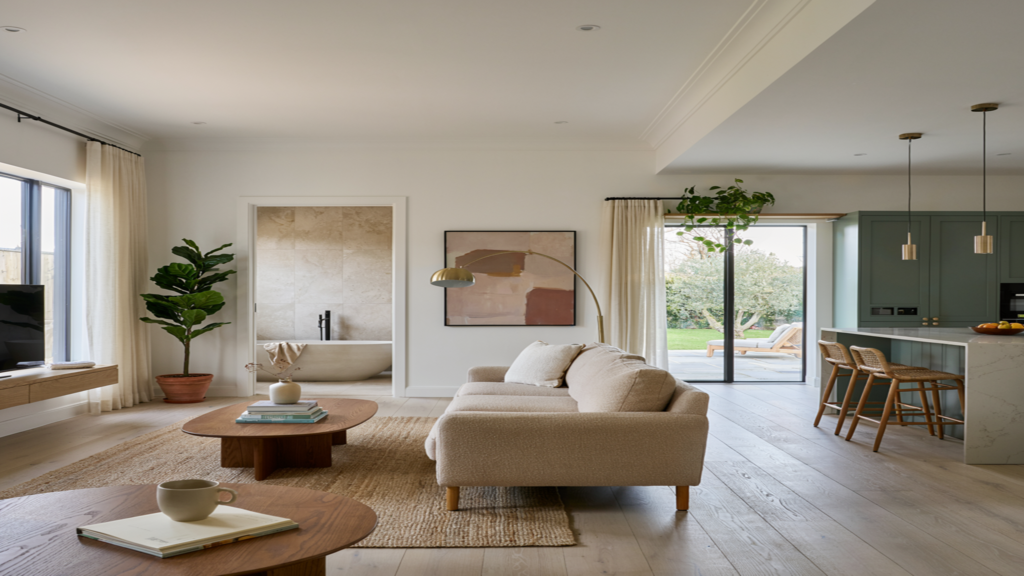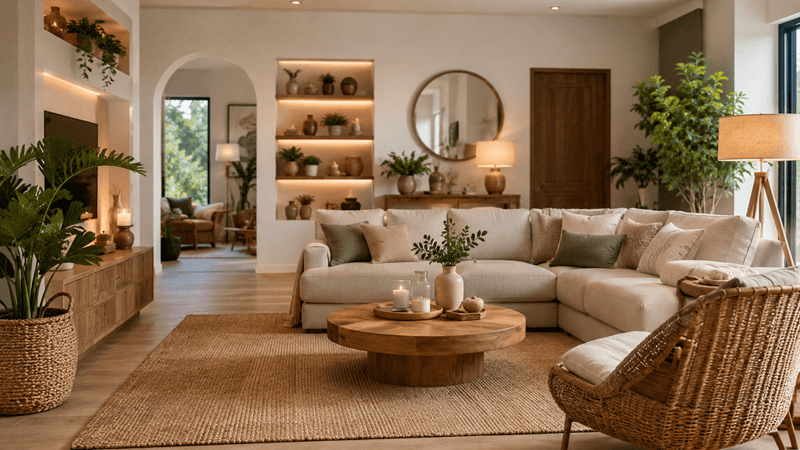

A well-planned home upgrade can improve comfort, functionality, appearance, and everyday living without requiring a complete renovation. With thoughtful planning, practical materials, and modern design ideas, we can transform ordinary spaces into attractive and efficient areas that feel more comfortable and personalized.
Home upgrade decoradtech focuses on combining decorative improvements with practical technology and smart home solutions. From updating lighting and storage to improving kitchens, bathrooms, living rooms, and outdoor spaces, a carefully designed upgrade can make a noticeable difference in the way a home looks and works.
What Is Home Upgrade Decoradtech?
Home upgrade decoradtech represents an approach to home improvement that brings together interior decoration, functional upgrades, modern technology, and practical design. Instead of concentrating only on appearance, we consider how every improvement contributes to comfort and usability.
A successful upgrade may include new lighting, updated furniture, improved storage, energy-efficient appliances, smart devices, modern wall finishes, or better organization. These improvements can be introduced gradually, allowing homeowners to improve their properties according to their needs and available budget.
The main goal is to create spaces that are attractive while remaining practical for everyday life. A beautiful room becomes much more useful when its lighting, storage, furniture arrangement, and technology are also planned properly.
Start With a Home Upgrade Plan
Before purchasing materials or furniture, we should create a clear plan. A good plan helps prevent unnecessary spending and keeps the project organized.
First, we can inspect each room and identify areas that need attention. Walls, flooring, lighting, storage, furniture, windows, doors, and electrical features should all be considered. We should also determine which improvements are essential and which are simply decorative.
Creating a priority list is useful:
- Identify problems that affect safety or functionality.
- Decide which improvements will have the greatest impact.
- Establish a realistic budget.
- Select a suitable design style.
- Compare materials and products.
- Complete improvements in manageable stages.
- Review the finished space and make adjustments.
This approach allows us to avoid making random purchases and gives the entire project a consistent direction.
Upgrade the Living Room
The living room is often one of the most frequently used areas of a home, so even small changes can create a significant visual difference.
We can begin by improving the furniture arrangement. Furniture should allow people to move comfortably through the room while maintaining a natural conversation area. Removing unnecessary pieces can sometimes make a room feel larger without any structural changes.
Lighting is another important upgrade. A combination of ceiling lighting, floor lamps, table lamps, and accent lighting can create different moods throughout the day. Warm, comfortable lighting can make the room feel welcoming, while brighter task lighting can improve visibility when reading or working.
Wall decoration can also refresh the space. Neutral paint colors provide a flexible foundation, while artwork, framed photographs, shelves, or textured wall treatments can introduce personality.
For a modern home upgrade decoradtech approach, smart lighting can be added so that brightness and lighting schedules can be controlled conveniently.
Modernize the Kitchen
The kitchen combines cooking, storage, organization, and social activity, making it an important area for improvement.
We can begin with storage because an organized kitchen is easier to use. Pull-out shelves, drawer organizers, vertical storage, wall-mounted racks, and dedicated pantry areas can help maximize available space.
Cabinet hardware is another affordable way to create a refreshed appearance. Replacing old handles and knobs with modern designs can make existing cabinets look considerably different.
Countertops should provide enough workspace while being durable and easy to maintain. When replacing larger kitchen elements, we should consider both appearance and long-term practicality.
Lighting should also be planned carefully. General ceiling lighting can be combined with under-cabinet lighting to illuminate preparation areas. Energy-efficient lighting can provide good visibility while helping reduce electricity consumption.
Modern appliances can add convenience as well. Depending on household needs, features such as programmable settings, efficient operation, and smart controls may make everyday kitchen tasks easier.
Improve the Bedroom
A bedroom should support relaxation, organization, and comfortable daily routines. We can improve the room without making it overly complicated.
Start with the bed position and surrounding furniture. There should be enough space to move comfortably around the room. Nightstands, wardrobes, and storage furniture should provide useful functions without making the room feel crowded.
Color also influences the atmosphere of a bedroom. Soft neutral shades can create a calm foundation, while carefully selected accent colors can add character.
Lighting should include more than a single ceiling fixture. Bedside lamps can provide convenient reading light, while dimmable lighting can create a softer environment in the evening.
Storage improvements are particularly valuable. Under-bed storage, built-in shelving, baskets, and organized wardrobes can help keep everyday items out of sight.
Refresh the Bathroom
Bathroom improvements do not always require a complete renovation. Several smaller changes can create a cleaner and more modern appearance.
We can replace outdated mirrors, lighting fixtures, towel bars, cabinet handles, and storage accessories. These details can create a more coordinated design.
Better organization is also important. Wall-mounted shelves, vanity storage, baskets, and compact organizers can help keep personal items arranged neatly.
When replacing bathroom fixtures, we should consider water efficiency and durability. Proper ventilation should also remain a priority because moisture can contribute to unpleasant odors and building problems.
For a modern home upgrade decoradtech strategy, practical smart features can include automated lighting or convenient controls where appropriate.
Upgrade Home Lighting
Lighting is one of the most effective ways to change the appearance of an interior. It can highlight architectural features, improve functionality, and influence the atmosphere of a room.
We can divide lighting into three main categories:
- Ambient lighting: Provides general illumination.
- Task lighting: Supports specific activities such as reading or cooking.
- Accent lighting: Highlights artwork, shelves, architectural details, or decorative features.
Using these layers together gives us greater flexibility. Smart bulbs and compatible lighting systems can provide additional control through schedules, brightness adjustments, and different lighting settings.
Natural light should also be considered. Keeping windows clean, using suitable curtains, and avoiding unnecessary obstacles near windows can help rooms feel brighter.
Add Smart Home Technology
Technology has become an important part of modern home improvement. Smart devices can make certain household tasks more convenient when selected carefully.
Smart lighting, thermostats, security devices, sensors, and connected appliances can provide useful features. However, technology should solve a genuine household need rather than being added simply because it is fashionable.
We should also consider compatibility, privacy, reliability, and ease of use before installing connected devices.
A practical home upgrade decoradtech project combines technology with design so that devices fit naturally into the home rather than making rooms look cluttered.
Improve Home Storage
Poor storage can make even a beautifully decorated home feel disorganized. Storage improvements should therefore be included in many upgrade plans.
We can use vertical space with tall cabinets, shelves, and wall-mounted organizers. Entryways can benefit from hooks, shoe storage, baskets, and compact benches.
In bedrooms, closet organizers can improve the use of existing space. In living rooms, storage furniture can provide useful space while maintaining a clean appearance.
The key is to select storage according to actual household requirements. Instead of adding more containers everywhere, we should first identify what needs to be stored and where it is most frequently used.
Upgrade Flooring and Walls
Walls and flooring have a major influence on the overall appearance of a home. However, replacing everything at once may not be necessary.
A fresh coat of paint can dramatically change a room. We can choose neutral shades for flexibility and introduce stronger colors through selected accent walls or decorative elements.
Flooring should be selected according to the room’s purpose. Durable surfaces may be appropriate for high-traffic areas, while comfortable materials can work well in bedrooms and living spaces.
When choosing materials, durability, maintenance requirements, household activity, and long-term value should all be considered.
Improve the Home Exterior
Home upgrades should not stop at interior spaces. The exterior creates the first impression of a property and can also improve everyday usability.
We can refresh the entrance with improved lighting, a clean doorway, updated hardware, planters, or a simple welcome area. Outdoor seating can make patios and balconies more useful.
Garden maintenance, pathway improvements, exterior lighting, and organized outdoor storage can also improve the overall appearance.
A balanced exterior design does not need to be expensive. Clean lines, coordinated materials, healthy plants, and good maintenance can often create a noticeable improvement.
Make Energy-Efficient Improvements
A modern home upgrade should consider efficiency as well as appearance. Energy-efficient improvements can reduce unnecessary consumption while improving comfort.
We can review lighting, appliances, windows, insulation, heating and cooling systems, and household energy habits. Replacing inefficient lighting with modern energy-saving alternatives is often a simple starting point.
Sealing obvious drafts around doors and windows may also improve indoor comfort. Where major equipment is being replaced, we should compare efficiency ratings and operating costs rather than focusing only on the initial purchase price.
Budget-Friendly Home Upgrade Ideas
A limited budget does not mean we have to postpone every improvement. We can prioritize affordable changes that produce visible results.
Some practical ideas include:
- Repainting selected walls.
- Updating cabinet hardware.
- Rearranging furniture.
- Installing additional lighting.
- Adding mirrors to suitable areas.
- Improving storage organization.
- Refreshing curtains and soft furnishings.
- Adding indoor plants.
- Replacing outdated decorative accessories.
- Improving entryway organization.
The most effective upgrades are not necessarily the most expensive. Careful planning can help us achieve a polished appearance while avoiding unnecessary expenses.
Common Home Upgrade Mistakes to Avoid
Even good ideas can produce disappointing results when planning is ignored. One common mistake is purchasing furniture before measuring the room. Large pieces may block pathways or make a small space feel crowded.
Another mistake is using too many unrelated colors, patterns, or decorative styles. A consistent design direction usually creates a more organized appearance.
We should also avoid adding technology without considering practical value. A smart device is useful when it makes a real task easier, safer, or more efficient.
Ignoring storage is another frequent problem. Beautiful rooms can quickly become difficult to maintain when everyday items have no designated place.
Finally, rushing major improvements can increase costs. Taking time to compare options, measurements, materials, and installation requirements can prevent avoidable mistakes.
Creating a Balanced Home Upgrade Decoradtech Strategy
The strongest home upgrade decoradtech projects balance appearance, functionality, comfort, and technology. We should not focus on decoration alone. Every improvement should have a practical purpose or contribute meaningfully to the atmosphere of the home.
A useful strategy is to work room by room. Begin with the areas that have the greatest functional problems, then move toward decorative improvements. This makes the project easier to manage and allows us to evaluate the results before continuing.
We can also create a consistent design language throughout the property. Similar finishes, complementary colors, coordinated lighting, and repeated materials can connect different rooms without making them identical.
Final Thoughts
A successful home improvement project does not depend on completely rebuilding a property. With thoughtful planning, we can make meaningful changes through better lighting, smarter storage, updated furniture, refreshed surfaces, efficient appliances, improved organization, and carefully selected technology.
Home upgrade decoradtech provides a practical way to think about modern home improvements by combining decoration with functionality and useful technology. Whether we are making small budget-friendly changes or planning a larger renovation, the most valuable approach is to focus on improvements that make the home more comfortable, practical, efficient, and enjoyable.
By evaluating each room, establishing priorities, choosing durable materials, and avoiding unnecessary upgrades, we can gradually create a home that reflects modern needs while remaining welcoming and functional for everyday life.Click here see more details.