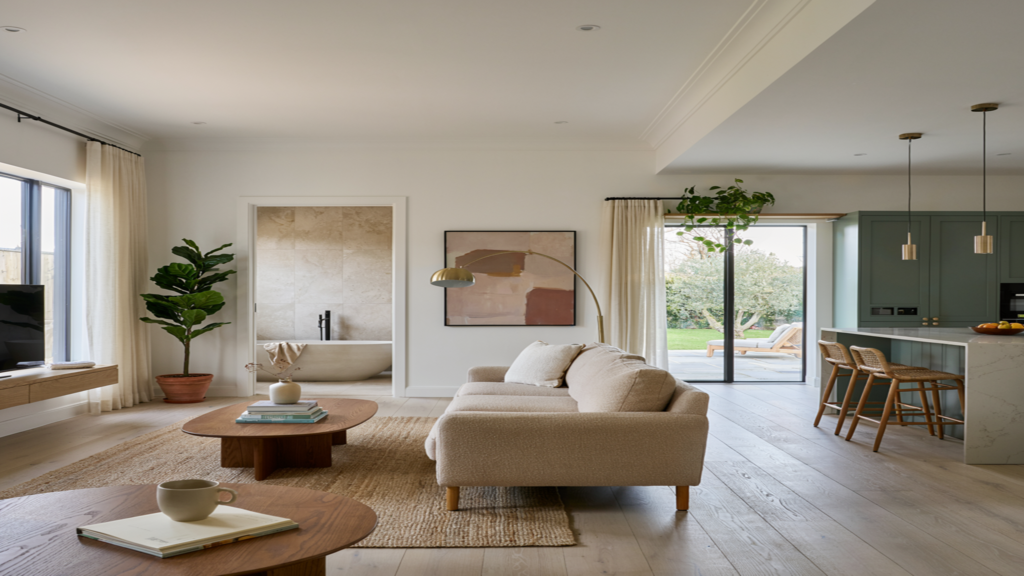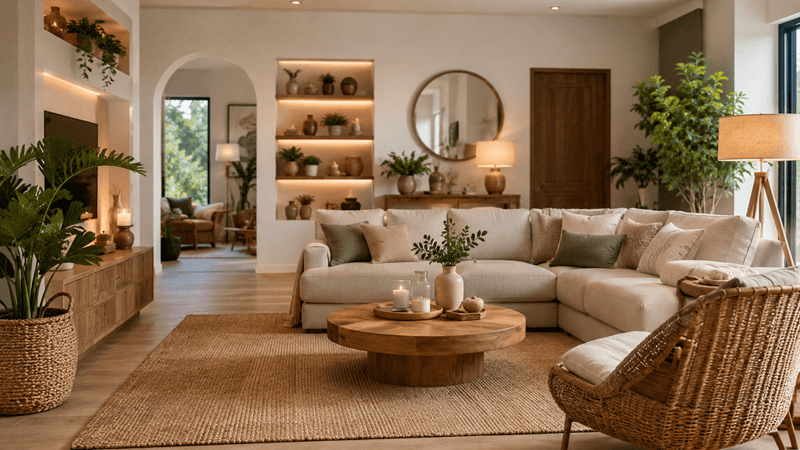
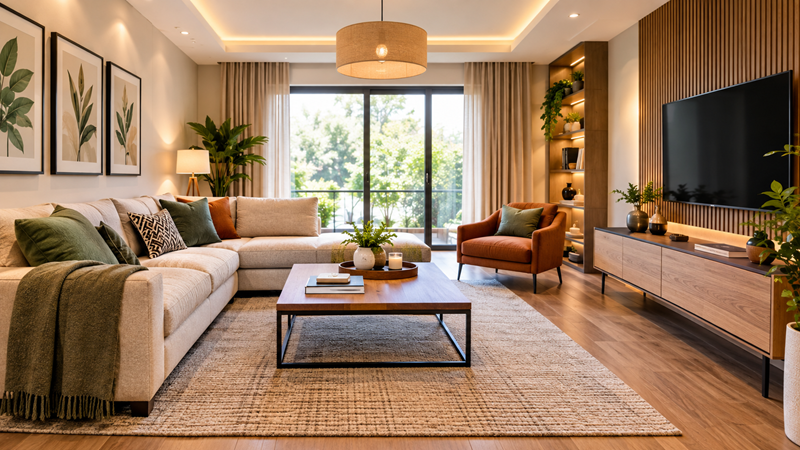
Interior design combines creativity, functionality, comfort, and personal expression to create spaces that feel attractive and practical. A successful interior does more than look beautiful; it improves how people use their homes, offices, and other environments every day. We can achieve this balance by carefully considering room layouts, colors, furniture, lighting, materials, textures, and decorative elements.
When developing interior design designmode24, we can begin by understanding the purpose of each room. A living room may need comfortable seating and an inviting atmosphere, while a bedroom should encourage relaxation. Kitchens require efficient layouts, durable surfaces, and sufficient storage. By defining the purpose before selecting decorative elements, we can create spaces that remain useful as well as visually appealing.
Planning an Interior Design Project
Good planning provides the foundation for a successful interior. We should first measure the available space, identify architectural features, and determine how the room will be used. Windows, doors, columns, electrical outlets, heating systems, and built-in elements can all influence furniture placement and decoration.
A practical budget should also be established before purchasing products. We can divide the budget into categories such as furniture, lighting, flooring, paint, accessories, and professional services. This approach helps prevent unnecessary spending and allows us to prioritize important improvements.
A mood board can make the planning process easier. We can collect examples of furniture, wall colors, fabrics, flooring, artwork, and lighting that match the desired atmosphere. This visual reference helps maintain consistency throughout the room and reduces the risk of combining elements that do not work together.
Choosing the Right Interior Style
There are many interior styles, and each provides a different visual character. Modern interiors often use clean lines, simple furniture, neutral colors, and uncluttered layouts. Minimalist design focuses on essential elements and avoids excessive decoration. Traditional interiors may incorporate classic furniture, decorative details, warm colors, and timeless materials.
Contemporary interiors can combine current trends with practical design principles. Scandinavian-inspired rooms commonly emphasize natural light, simple forms, comfortable textiles, and light-colored materials. Industrial spaces may feature exposed structures, metal, wood, and practical furniture.
With interior design designmode24, we can take inspiration from different styles without copying one style completely. Combining selected elements allows us to develop a more personal environment while maintaining visual harmony.
Creating a Functional Room Layout
Furniture arrangement has a major effect on the usability of a room. We should consider movement before filling the space with furniture. People should be able to walk comfortably between doors, seating areas, tables, storage units, and other important points.
The size of furniture should also correspond with the dimensions of the room. Oversized furniture can make a small room feel crowded, while very small furniture may look disconnected in a large space. A balanced arrangement creates better proportions and makes the room feel more comfortable.
In open-plan homes, furniture can also help define different zones. A sofa may separate a living area from a dining space, while a rug can visually identify a seating arrangement. This method creates organization without requiring permanent walls.
Selecting Colors and Materials
Color influences the atmosphere and perceived size of a room. Light shades can make smaller spaces appear more open, while darker colors can create depth and intimacy. Neutral colors provide flexibility and can be combined with stronger accents through furniture, artwork, cushions, or accessories.
We should consider natural and artificial lighting when choosing colors because the same shade can appear different throughout the day. Testing paint samples under different lighting conditions can help us make a more informed choice.
Materials add character through their texture and appearance. Wood can introduce warmth, stone can create a natural feeling, and metal can contribute a contemporary appearance. Fabrics such as cotton, linen, wool, and velvet can add softness and visual interest.
Lighting in Interior Design
Lighting is one of the most important elements of a well-designed interior. We can use three main forms of lighting: ambient, task, and accent lighting.
Ambient lighting provides general illumination throughout the room. Task lighting focuses on areas where specific activities take place, such as kitchen counters, desks, reading chairs, and bathroom mirrors. Accent lighting highlights artwork, architectural features, shelves, or decorative objects.
Natural light should also be used effectively. Curtains and blinds should allow appropriate daylight into the room while providing privacy when required. Mirrors can help reflect available light and create a brighter visual environment.
In interior design designmode24, layered lighting can make an interior more adaptable. Instead of depending on a single ceiling fixture, we can combine ceiling lights, floor lamps, table lamps, wall lights, and decorative illumination.
Furniture Selection and Placement
Furniture should support both comfort and visual balance. Before purchasing a sofa, bed, dining table, or storage unit, we should check measurements carefully. It is useful to compare the furniture dimensions with the available floor area and existing architectural features.
Quality is another important consideration. Durable furniture may require a larger initial investment but can provide long-term value when properly maintained. Upholstery, frames, hardware, and finishes should be evaluated according to the intended use of the room.
Storage furniture can also improve organization. Cabinets, shelving, wardrobes, consoles, and multifunctional furniture can reduce clutter while maintaining the appearance of the space.
Decorating Walls, Floors, and Ceilings
Walls provide an excellent opportunity to establish the personality of a room. Paint, wallpaper, wall panels, artwork, photographs, mirrors, and decorative shelving can all contribute to the overall appearance.
Flooring should be selected according to both aesthetics and practical requirements. Hardwood can provide warmth and timeless appeal, while tile can work well in kitchens and bathrooms. Rugs can add comfort, define areas, and introduce additional color or texture.
Ceilings are often overlooked, but they can influence the character of an interior. Appropriate lighting, subtle architectural details, paint treatments, or simple decorative elements can make the ceiling part of the overall design rather than leaving it visually disconnected.
Small Space Interior Design
Small rooms require careful planning because every square meter matters. We can maximize available space by choosing appropriately scaled furniture and using vertical storage. Wall-mounted shelves and cabinets can provide useful storage without occupying valuable floor space.
Mirrors can create a stronger sense of openness, while lighter colors and good lighting can make compact rooms feel brighter. Furniture with multiple functions can also be valuable. For example, an ottoman can provide seating and hidden storage, while a sofa bed can serve both daytime and nighttime purposes.
The goal is not to fill every available area. Instead, we should keep essential items while allowing sufficient visual and physical space around them.
Sustainable and Practical Interior Choices
Sustainability is increasingly important in modern interiors. We can make environmentally responsible decisions by selecting durable products, repairing furniture when possible, reusing existing pieces, and choosing materials with appropriate environmental credentials.
Natural ventilation and daylight can also contribute to a more comfortable home while reducing dependence on artificial lighting and mechanical cooling during suitable conditions. Energy-efficient lighting is another practical improvement.
Sustainable design does not require sacrificing style. Reclaimed wood, natural fabrics, vintage furniture, indoor plants, and durable materials can create attractive interiors while supporting longer product lifecycles.
Adding Personality Through Accessories
Accessories provide opportunities to make a room feel personal. Artwork, books, plants, cushions, throws, ceramics, photographs, decorative objects, and carefully selected ornaments can communicate individual interests and preferences.
However, accessories should be arranged intentionally. Too many decorative objects can create visual clutter, while too few may make a room feel unfinished. We can group related objects by color, material, height, or theme to create a stronger composition.
Plants are particularly useful because they introduce natural color and texture. Depending on available light and maintenance preferences, we can choose indoor plants that suit the conditions of the room.
Modern Trends and Timeless Design
Trends can provide inspiration, but they should not completely determine an interior. A design that relies exclusively on short-term trends may become dated quickly. We can instead use timeless foundations and introduce current trends through easily replaceable elements.
For example, neutral walls, quality flooring, practical furniture, and functional lighting can provide a lasting foundation. Trend-driven colors, cushions, artwork, and smaller accessories can then be changed when preferences evolve.
This approach makes interior design designmode24 more flexible because the space can develop naturally without requiring a complete renovation whenever design preferences change.
Creating a Balanced Interior
Balance is essential when combining different elements. We can create balance through symmetry, repetition, proportion, contrast, and visual weight. A large piece of furniture may need smaller elements nearby to prevent one side of the room from feeling visually heavy.
Repetition can connect different areas of a room. For example, the same wood tone can appear in furniture, shelving, and decorative accessories. Similarly, repeating a selected accent color can create continuity.
Contrast can make a room more interesting. Smooth surfaces can be paired with textured fabrics, light colors with darker accents, or modern furniture with natural materials. The key is to maintain enough consistency for the room to feel intentional.
Common Interior Design Mistakes to Avoid
One common mistake is purchasing furniture before measuring the room. Even attractive furniture can become problematic if it blocks pathways or overwhelms the available space.
Another mistake is relying on a single light source. A room can feel flat or uncomfortable when all illumination comes from one central fixture. Layered lighting provides greater flexibility.
Ignoring storage can also create problems. A beautiful room can quickly become cluttered when everyday belongings have no designated place. We should therefore include storage as part of the initial design rather than treating it as an afterthought.
Finally, excessive decoration can reduce the impact of individual pieces. Selecting fewer, more meaningful objects often creates a cleaner and more sophisticated appearance.
Final Thoughts
Effective interior design brings together aesthetics, functionality, comfort, and personal identity. We can create better spaces by planning carefully, measuring accurately, selecting suitable materials, using layered lighting, and maintaining a balanced relationship between furniture and available space.
The principles behind interior design designmode24 can be applied to bedrooms, living rooms, kitchens, bathrooms, home offices, and complete properties. Whether the project involves a small update or a major renovation, thoughtful decisions can transform an ordinary space into an environment that feels comfortable, organized, attractive, and purposeful.
A successful interior does not depend on filling a room with expensive products. It depends on understanding the space, identifying its purpose, selecting appropriate elements, and arranging them with intention. By following these principles, we can develop interiors that remain practical and visually appealing for years to come.Click here see more details.