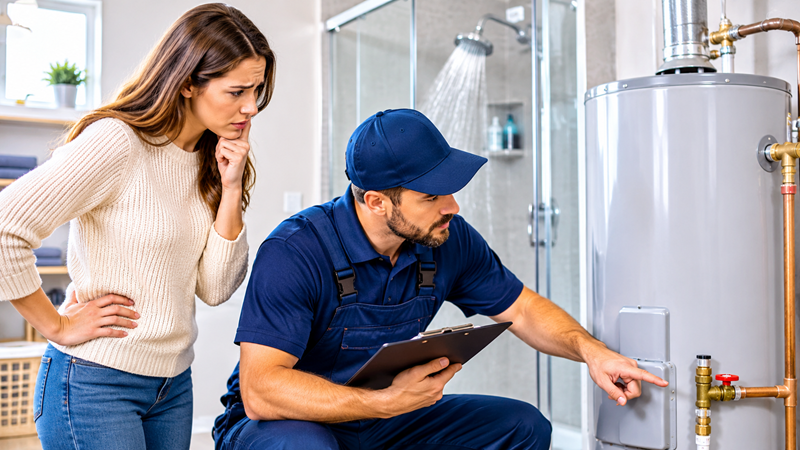
In Kansas City, Missouri, a cold shower can quickly turn a normal weekday morning into a household scramble. Before assuming the whole system must be replaced, pay attention to when the water turns cold, how long it lasts, and whether the problem affects every fixture.
For a sudden loss of capacity, a leak, or repeated lukewarm water, water heater repair Kansas City from Lutz Plumbing, Heating, Cooling, & Electrical is a local option for diagnosis and service. Its water-heater repair page covers residential tank and tankless concerns, including systems that stop heating, leak, or make unusual sounds. With more than a century of Kansas City-area plumbing experience, the company serves homeowners in Kansas City, Lenexa, Overland Park, Shawnee, Olathe, Prairie Village, and nearby communities.
Start With the Pattern
The timing of the problem provides useful clues. If hot water has always run out during back-to-back showers, the heater may be working normally but lack sufficient capacity for the household’s peak hour. If a shower that once stayed hot now turns cold after a few minutes, a failed part, sediment buildup, or thermostat problem becomes more likely.
- Only busy mornings cause trouble: Demand may exceed available hot water.
- Performance faded over months: Sediment or declining components may be involved.
- Every faucet is lukewarm: The heater may not be reaching or maintaining its set temperature.
- One shower has the issue: The fixture, cartridge, or mixing valve may be the source.
- New popping or rumbling sounds occur: A storage tank may have sediment on its bottom.
Check Whether Demand Has Changed
A water heater that was adequate for a couple can struggle after a family grows, guests stay over, or daily routines change. Long showers, soaking tubs, laundry, and dishwashing all draw from the same hot-water supply. When several fixtures run at once, a storage tank can be depleted before it has time to recover.
Questions to Ask
- How many people use hot water during the busiest hour?
- Do showers overlap with laundry or dishwasher cycles?
- Was a new showerhead, tub, or appliance added?
- Has the household changed since the heater was installed?
Look Beyond Tank Gallons
A 40- or 50-gallon label does not tell the entire story. A storage heater’s recovery rate and first-hour rating also affect real-world performance. The first-hour rating used for water-heater comparisons estimates the maximum amount of hot water a fully heated storage unit can supply in one hour.
For example, a unit that serves one or two people comfortably may struggle when three people shower back to back before anyone leaves for work or school. Compare the heater’s rating with the home’s busiest hour rather than choosing solely by tank size. Tankless systems require a different comparison: their capacity depends on the hot-water flow needed and the temperature rise they must produce.
Common Repair Problems That Shorten Hot Water Supply
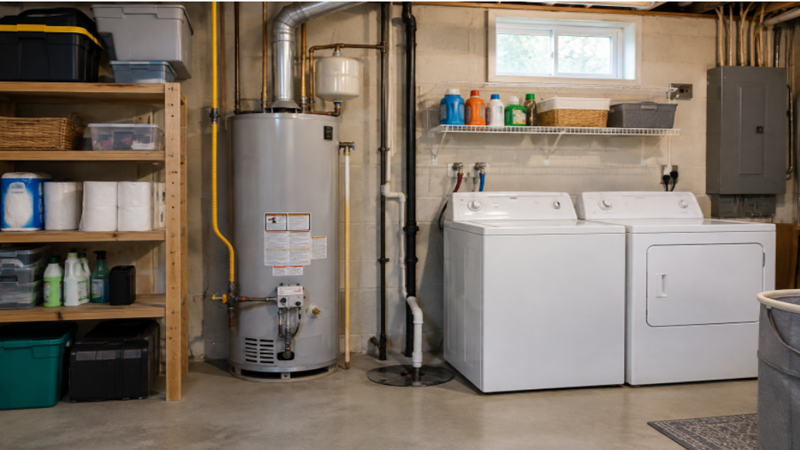
- Failed electric heating element: A lower-element problem can leave some hot water available but greatly reduce the amount delivered before the tank cools.
- Burner, pilot, or ignition trouble: Gas units may heat slowly or fail to recover when the burner cannot operate as intended.
- Faulty thermostat: Poor temperature control can produce lukewarm water or inconsistent recovery.
- Broken dip tube: Cold incoming water can mix near the top of a tank instead of being directed lower in the tank.
- Plumbing crossover: A defective mixing valve or fixture can allow cold water into the hot-water line.
- Tankless flow limits: Multiple fixtures may require more hot water than the unit can deliver at the needed temperature rise.
How Sediment Can Affect Kansas City Homes
Minerals in the water can settle inside a tank water heater, reducing usable space and interfering with heat transfer. Over time, the heater may take longer to recover, make popping or rumbling sounds, and provide less hot water than it once did. Sediment is particularly relevant for older tank-style units in the Kansas City metro.
Maintenance should follow the manufacturer’s instructions and the condition of the equipment. Flushing a newer, sound tank may be routine maintenance, but an older unit with corrosion, a damaged drain valve, or heavy buildup may need professional attention. Do not force a stuck valve or dismantle gas or electrical components.
A Safe Homeowner Checklist
- Determine whether every hot-water fixture is affected.
- Look for water near the tank base, fittings, drain valve, and relief-valve discharge pipe.
- Record the fuel type, model, approximate age, and when the problem began.
- Check for a tripped breaker, but do not repeatedly reset one that trips again.
- Note whether a visible pilot light is out on an older gas unit.
- Listen for unfamiliar noises while the heater is operating.
- Track how long hot water lasts before it turns lukewarm or cold.
Do Not Solve a Capacity Problem by Raising the Temperature
Turning the temperature control higher is not automatically the right response to short hot-water periods. It can increase scald risk and may hide a mechanical or sizing problem. The U.S. Consumer Product Safety Commission’s guidance for avoiding tap-water scalds recommends lowering water-heater temperature to 120 degrees Fahrenheit. Follow the appliance manufacturer’s instructions, especially in homes with children, older adults, or people with limited mobility.
When to Call a Professional
Schedule a qualified diagnosis promptly if the tank body leaks, the pressure-relief valve drips or discharges water, there is a gas odor, a breaker repeatedly trips, or the unit produces burning smells. Rust-colored, foul-smelling, or discolored hot water also warrants evaluation. A repair may be sensible when a relatively young heater has a failed element, thermostat, valve, or dip tube. Replacement becomes more practical when the tank itself is corroded, several parts are failing, or the system cannot meet the household’s peak demand.
Frequently Asked Questions
Why does hot water run out faster than it used to?
Gradual changes can be caused by sediment, a weakening heating component, thermostat issues, or increased household demand. A professional can separate a repair problem from a sizing problem.
Why is the first shower hot but the second one cold?
The heater may need more recovery time, or its first-hour rating may not match the household’s morning routine.
Can a water heater be too small even if it works correctly?
Yes. A properly operating heater can still fall short when several fixtures use hot water close together.
Is rumbling from a water heater dangerous?
Rumbling often indicates sediment in a storage tank. It is a warning sign worth addressing, particularly if performance is declining or the unit is older.