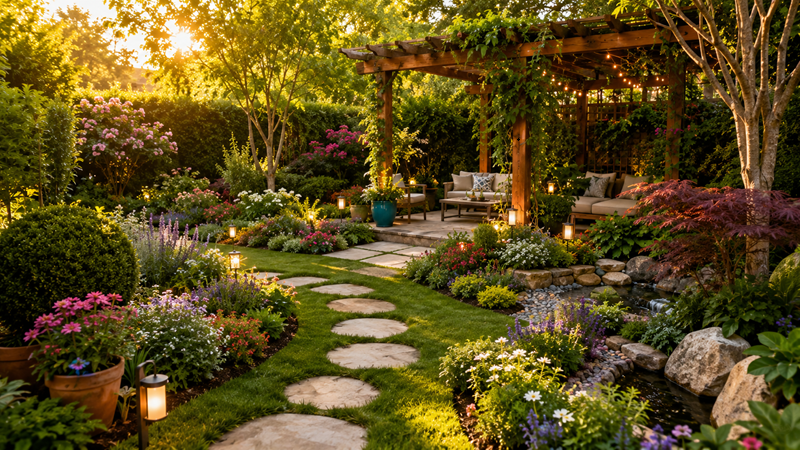
A beautiful garden can completely change the atmosphere of a home. It adds color, freshness, character, and a peaceful place where you can relax. However, creating a garden that looks attractive throughout the year requires more than simply planting a few flowers. Good planning, suitable plants, proper watering, healthy soil, and regular maintenance all play an important role.
The decoradhouse garden tips by decoratoradvice approach focuses on practical ideas that homeowners can use to create outdoor spaces that are attractive, manageable, and enjoyable. Whether you have a large backyard, a small garden, a balcony, or a simple outdoor corner, the right techniques can help you make the most of the available space.
This complete guide explains how to plan your garden, choose plants, improve soil, manage watering, control weeds, and maintain a healthy outdoor space.
Why Garden Planning Matters
Before buying plants or starting a gardening project, take some time to understand your outdoor space. A little planning can prevent many common problems later.
Start by observing how much sunlight different areas receive during the day. Some plants need several hours of direct sunlight, while others perform better in partial shade. Also consider drainage, wind exposure, available space, and the type of soil in your garden.
Understand Your Garden Space
Measure the area you want to use and think about how you want the garden to function. You may want a space for flowers, vegetables, herbs, seating, or a combination of several features.
Create a simple layout before planting. Consider pathways and leave enough room between plants for growth. Avoid filling every empty area immediately because young plants can become much larger as they mature.
Consider Your Local Climate
Climate has a major effect on plant health. Temperature, rainfall, humidity, and seasonal changes all influence which plants are likely to thrive.
Choose plants that are suitable for your local growing conditions. Native and climate-adapted plants can often be easier to maintain because they are naturally better suited to the environment.
Choose the Right Plants
Plant selection is one of the most important decisions you will make. A plant may look beautiful in a garden center, but that does not mean it will perform well in your particular space.
Select Plants According to Sunlight
Check the sunlight requirements before planting. Full-sun plants generally need several hours of direct sunlight, while shade-loving varieties prefer protected locations.
If you are unsure about a particular area, observe it throughout the day. This will help you identify sunny, partially shaded, and heavily shaded sections.
Mix Different Types of Plants
A garden becomes more visually interesting when different plants are combined thoughtfully.
You can use:
- Flowering plants for seasonal color
- Evergreen plants for year-round structure
- Shrubs for height and privacy
- Ground covers for empty spaces
- Herbs for fragrance and practical use
- Trees for shade and long-term structure
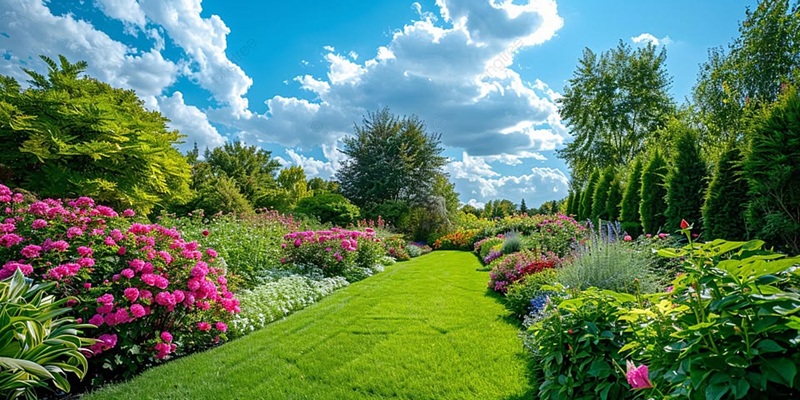
Try to combine plants with different heights, textures, and flowering periods. This creates a more balanced appearance instead of having everything bloom at the same time.
Prepare Healthy Soil
Healthy soil provides the foundation for healthy plants. Even excellent plants can struggle if the soil does not provide enough nutrients, drainage, or moisture retention.
Test and Improve the Soil
If possible, test your soil before making major changes. A basic soil test can provide information about pH and nutrient levels.
Depending on the results, you may need to add organic matter such as compost. Compost can improve soil structure while contributing nutrients and supporting beneficial soil organisms.
Avoid adding large quantities of fertilizer without understanding what your soil actually needs. Too much fertilizer can damage plants and create unnecessary problems.
Improve Drainage
Poor drainage can cause water to remain around plant roots for too long. This may encourage root problems and other plant health issues.
If water regularly collects in one area, investigate the cause before planting there. Improving the soil structure or creating appropriate drainage can make the area more suitable for gardening.
Water Your Garden Properly
Water is essential, but more water does not always mean healthier plants. Both underwatering and overwatering can cause problems.
One of the best habits is to check the soil before watering. If the surface is dry, investigate whether the deeper soil is also becoming dry.
Water at the Right Time
Watering during the cooler parts of the day can reduce unnecessary evaporation. Early morning is often a convenient choice because plants have time to absorb moisture before the hottest part of the day.
Water the soil around the roots rather than constantly wetting the leaves. Deep and appropriate watering encourages roots to access moisture in the surrounding soil.
Avoid Overwatering
Overwatering is a common gardening mistake. Constantly saturated soil can reduce the amount of air available around plant roots.
The correct watering frequency depends on plant type, soil, weather, season, and container size. Instead of following one fixed schedule, check the actual moisture conditions of your garden.
Use Mulch to Protect the Soil
Mulching is a simple technique that can provide several benefits. A layer of suitable organic mulch can help conserve soil moisture, reduce weed growth, and protect soil from temperature fluctuations.
Materials such as composted organic matter, shredded leaves, or other appropriate mulch can be used depending on the garden.
Apply Mulch Correctly
Spread mulch evenly around plants while keeping it away from direct contact with plant stems or tree trunks.
Too much mulch can create problems instead of solving them. A moderate, evenly distributed layer is usually more useful than creating a very thick pile.
Control Weeds Naturally
Weeds compete with desirable plants for water, nutrients, light, and space. Regular maintenance is usually easier than allowing weeds to become established.
Remove Weeds Early
Small weeds are generally easier to remove than mature weeds with large root systems. Inspect your garden regularly and remove unwanted growth before it spreads.
Mulching can also reduce the amount of sunlight reaching weed seeds near the soil surface, helping reduce new growth.
Avoid Disturbing the Soil Unnecessarily
Frequent disturbance can bring buried weed seeds closer to the surface. When removing weeds, focus on the unwanted plant rather than repeatedly turning large areas of soil.
Encourage Healthy Plant Growth
Plants need more than water and sunlight. Regular observation helps you identify problems before they become serious.
Check leaves, stems, flowers, and soil conditions when you walk through your garden.
Prune When Necessary
Pruning can help maintain plant shape, remove damaged growth, and encourage healthy development in suitable plants.
However, pruning requirements vary considerably. Research the specific plant before making major cuts because some plants flower on older growth while others produce flowers on new growth.
Use clean, appropriate tools and avoid unnecessary pruning.
Feed Plants Carefully
Plants may benefit from additional nutrients during active growth, but fertilizer should be used according to the needs of the plant and soil.
Follow the product instructions when using commercial fertilizer. More fertilizer is not automatically better, and excessive nutrients can harm plants or affect the surrounding environment.
Create a Garden That Looks Beautiful
Garden design is not only about plant health. The arrangement of plants and outdoor features can make the entire space feel more attractive.
Add Layers to Your Garden
Use different heights to create depth. Taller plants can form a background, medium-sized plants can occupy the middle layer, and low-growing plants can fill the front.
This simple arrangement can make even a small garden feel more organized.
Add Practical Outdoor Features
Depending on your available space, consider adding:
- A simple garden pathway
- Outdoor seating
- Decorative containers
- Trellises
- Raised planting areas
- Garden lighting
- Small water features
- Vertical gardens
Choose features that match your home’s style and the amount of maintenance you are willing to handle.
Make Small Gardens Feel Bigger
You do not need a large yard to create an attractive garden. Small spaces can be highly effective when they are planned carefully.
Vertical gardening is particularly useful when floor space is limited. Trellises, wall planters, hanging containers, and climbing plants can add greenery without taking up much ground area.
Use a limited selection of complementary plants rather than trying to include too many different varieties. A simpler design can make a small space feel more organized.
Sustainable Gardening Practices
A sustainable garden can be healthier for the environment while also reducing unnecessary maintenance.
Use Organic Matter
Compost and other suitable organic materials can improve soil structure and reduce dependence on synthetic inputs.
You can also reuse suitable garden materials as mulch or compost where appropriate.
Choose Water-Efficient Plants
Consider plants that are naturally adapted to your climate and do not require excessive watering.
Grouping plants with similar water requirements together can also make irrigation easier and more efficient.
Support Pollinators
Flowers that provide food for bees, butterflies, and other beneficial insects can add life to your garden.
Whenever possible, choose a variety of flowering plants with different blooming periods. Avoid unnecessary pesticide use and provide suitable habitat for beneficial insects.
Common Gardening Mistakes to Avoid
Even enthusiastic gardeners make mistakes. Avoiding a few common problems can make gardening much easier.
Planting without considering sunlight: A plant placed in the wrong light conditions may struggle even with excellent care.
Overwatering: Constantly wet soil can create root problems.
Ignoring mature plant size: Small nursery plants can eventually become large shrubs or trees.
Using too much fertilizer: Excess nutrients can damage plants and affect soil and water quality.
Skipping maintenance: Small problems can become much harder to manage when ignored for long periods.
Choosing plants only for appearance: A beautiful plant is not necessarily suitable for your climate or garden conditions.
Seasonal Garden Maintenance
A garden changes throughout the year, so maintenance should change with the seasons.
Spring
Spring is a useful time to prepare beds, remove winter debris, inspect plants, add suitable compost, and plan new plantings.
Summer
During hot weather, pay close attention to soil moisture. Mulching can help conserve water, while regular inspections can help identify heat stress and pest problems.
Autumn
Remove unhealthy plant material, collect suitable fallen leaves for composting, and prepare plants for colder weather where necessary.
Winter
Winter maintenance depends heavily on climate. Protect sensitive plants when needed and use the quieter season to plan improvements for the next growing period.
Final Thoughts
Creating a beautiful garden does not happen overnight. It is an ongoing process that improves through observation, planning, and regular care.
The decoradhouse garden tips by decoratoradvice philosophy is about making gardening practical rather than overwhelming. Start with a clear understanding of your space, choose plants that match your conditions, build healthy soil, water carefully, control weeds, and maintain plants according to their individual needs.
You do not need to transform your entire garden at once. Begin with one area, learn what works, and gradually expand your efforts. With patience and thoughtful planning, even a modest outdoor space can become a welcoming extension of your home.
A successful garden is not simply one that looks good for a few weeks. It is a space that remains healthy, functional, enjoyable, and suited to the people who use it. By making informed choices and giving your plants consistent care, you can create an outdoor environment that brings beauty and enjoyment to your home for years to come.